Home Blog Page 289

2-Week Wait For Results And 6 Other Interesting Facts About Cameroonian Elections

0

Cameroon just went to the polls again, and as always, the world is watching. With a president who’s been in power for over four decades, a single-round voting system, and a possible two-week wait before official results drop, this election is packed with unique details worth unpacking.

Here’s a simple, engaging breakdown of what makes Cameroonian elections so fascinating.

1. One of Africa’s longest-serving presidents is still on the ballot

President Paul Biya has been in charge of Cameroon since 1982—yes, that’s over 40 years of leadership. At 92, he’s seeking yet another term in office, making him one of the world’s oldest and longest-serving heads of state. That’s older than Ghana’s Fourth Republic itself!

2. The 2025 election happened on 12 October

Cameroonians cast their votes on Sunday, 12 October 2025, in an election that has drawn intense local and international attention. More than 8 million registered voters took part, choosing their preferred leader in what’s shaping up to be one of the country’s most consequential polls in years.

ADVERTISEMENT

3. No second round — winner takes all

Unlike Ghana, where a presidential candidate needs over 50% to win, Cameroon’s presidential race is a single-round system. That means whoever gets the most votes in the first count becomes president — no runoffs, no second chances. It’s quick, decisive, and, depending on who you ask, controversial.
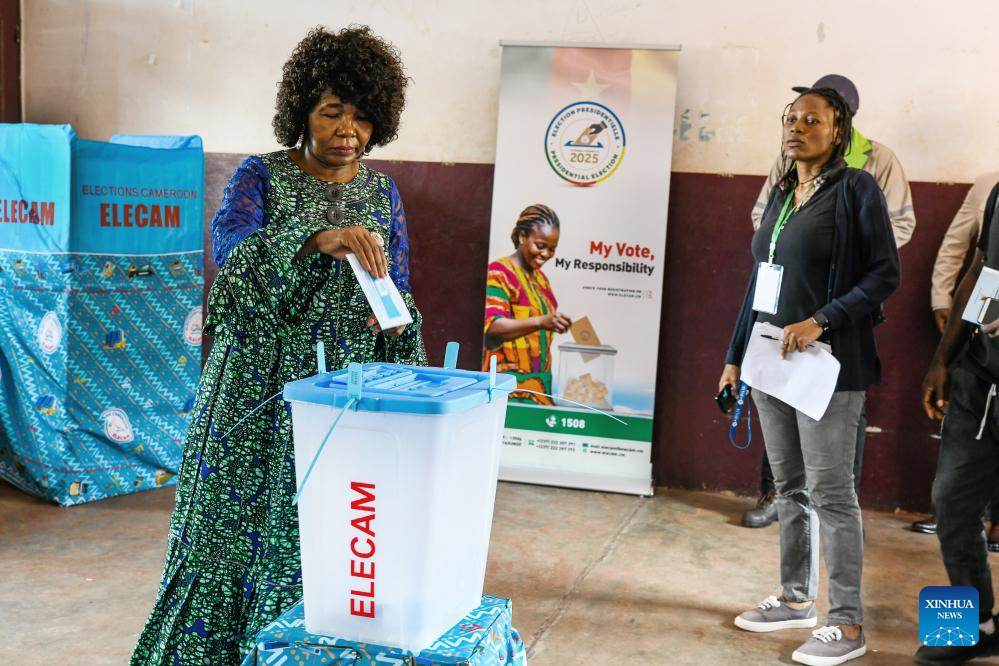
The 2-Week Wait For Results And 6 Other Interesting Facts About Cameroonian Elections

The 2-Week Wait For Results And 6 Other Interesting Facts About Cameroonian Elections

4. The 15-day suspense: results take time

If you’re wondering why there’s no immediate celebration or concession, here’s why: Cameroon’s Constitutional Council has up to 15 days after voting to announce the final results. In short, it could take until 26 October 2025 before Cameroonians officially know who’s won.
That’s why you’ll often hear about the “two-week wait” — it’s literally written into their electoral laws.

ADVERTISEMENT

5. Campaign season is short and sharp

Candidates officially began campaigning on 27 September, and it all wrapped up at midnight on 11 October — just hours before election day. That’s barely two weeks to convince millions of voters in a country with ten regions and multiple ethnic groups. Talk about a sprint!

6. The 2008 twist that changed everything

A major constitutional change in 2008 removed presidential term limits, allowing Biya and future leaders to contest indefinitely. Before that, Cameroon had a two-term limit like Ghana’s. The amendment sparked controversy at the time and still shapes the political landscape today.

7. What happens next

ADVERTISEMENT

With ballots cast and the countdown ticking, attention now shifts to the Constitutional Council — the only body authorised to declare official results. Until then, Cameroonians and the rest of Africa are on edge, waiting to see whether this election marks continuity or change.

Cameroon’s political story is one of longevity, patience, and complexity. Whether you admire the country’s stability or question its democracy, one thing is clear — its elections are never boring.
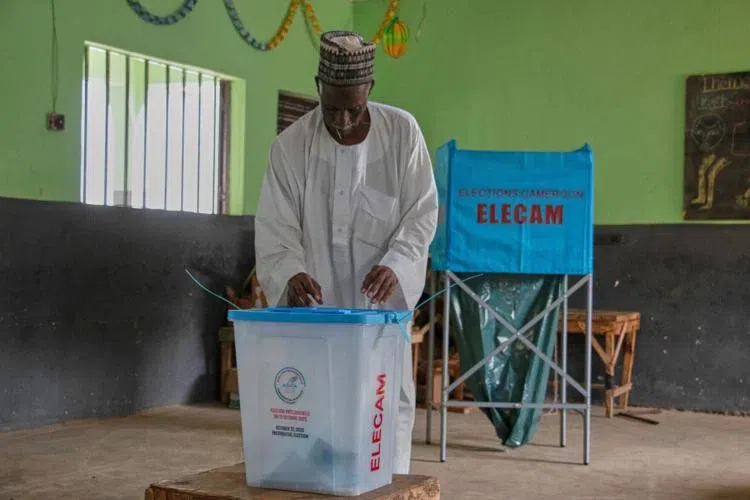
The 2-Week Wait For Results And 6 Other Interesting Facts About Cameroonian Elections

The 2-Week Wait For Results And 6 Other Interesting Facts About Cameroonian Elections

Why it matters to Ghana

Cameroon’s election offers a fascinating contrast to Ghana’s electoral culture. While Ghana’s Electoral Commission typically declares results within 48 to 72 hours, Cameroon’s system demands patience — up to two full weeks. The difference highlights how electoral laws and traditions vary across Africa, shaping how citizens experience democracy.

For Ghanaian readers used to a tense but relatively swift count, Cameroon’s drawn-out process feels like an endurance test in democracy. Still, both countries share a common goal: keeping the peace while waiting for the people’s voice to be officially heard.

source

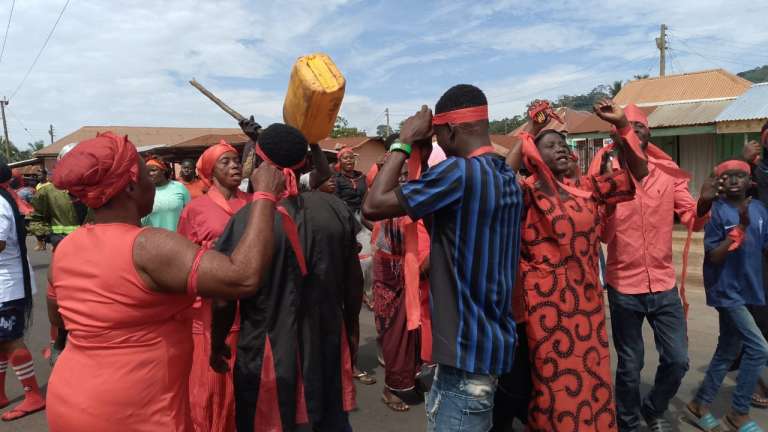
Manso Nyankomase residents protest against alleged military brutalities

0

Residents of Manso Nyankomase in the Amansie South District of the Ashanti region have hit the principal streets of the community to demonstrate against alleged frequent brutalities by the military.

They are calling on the government and the District Chief Executive to intervene before it escalates any further.

The demonstrators marched from the Nyankomase community to present their petition to the District Chief Executive of Amansie South to forward it to President John Dramani Mahama.

According to the residents, an unknown company has arrived in the community ostensibly to reclaim devastated lands without consulting the community authorities.

In the course of preventing the alleged private company, a clash ensued between the soldiers guarding the company and the community, leading to the injury of five people.

In a demonstration, the residents are asking the government to get the company to explain their activity in the community.

They also want the soldiers out of the community.

DISCLAIMER: The Views, Comments, Opinions, Contributions and Statements made by Readers and Contributors on this platform do not necessarily represent the views or policy of Multimedia Group Limited.

DISCLAIMER: The Views, Comments, Opinions, Contributions and Statements made by Readers and Contributors on this platform do not necessarily represent the views or policy of Multimedia Group Limited.


source

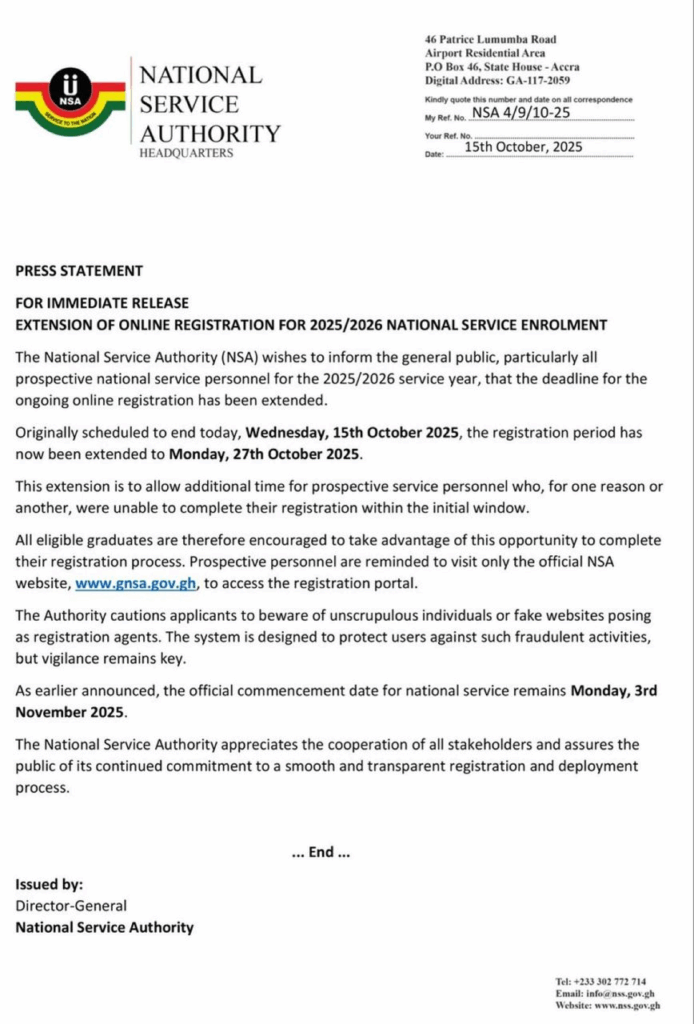
NSA extends registration deadline for 2025/2026 national service year

0

The National Service Authority (NSA) has announced an extension of the deadline for the ongoing online registration for the 2025/2026 National Service year, giving prospective service personnel additional time to complete their enrolment.

Initially scheduled to close on Wednesday, October 15, the registration window has now been extended to Monday, October 27, 2025.

In a statement released on Wednesday, October 15, the Authority explained that the decision was made to accommodate individuals who, for various reasons, were unable to finalise their registration within the initial timeframe.

MUST READ: Morocco knock out France to set up FIFA U-20 World Cup final against Argentina

The statement read,

ADVERTISEMENT

The extension is to allow additional time for prospective service personnel who, for one reason or another, were unable to complete their registration within the initial window

The NSA encouraged all eligible graduates who have not yet registered to take advantage of the extension and complete their process before the new deadline.

READ ALSO: Loyalty over timing: Otto Addo tells foreign-born players eyeing Ghana’s World Cup team

The Authority also reminded applicants to access the registration portal exclusively through its official website, www.gnsa.gov.gh, and cautioned against engaging with fake websites or unauthorised agents posing as intermediaries.

The statement added,

ADVERTISEMENT

The system is designed to protect users against such fraudulent activities, but vigilance remains key

Meanwhile, the NSA reaffirmed that the official commencement date for the 2025/2026 National Service year remains Monday, November 3, 2025.

READ MORE: World Cup qualifier descends into chaos as police storm dressing room to arrest player

The Authority further emphasised its commitment to ensuring a smooth registration and deployment process for all personnel. It assured that adequate measures have been put in place to address technical challenges and provide support to applicants, urging all graduates to adhere to official guidelines to ensure a successful service year.

Statement

ADVERTISEMENT

NSA extends registration deadline for 2025/2026 national service year

source

Into Everything: The reach and responsibility of legal profession

0

Have you ever watched the 1997 movie The Devil’s Advocate, starring Keanu Reeves and Al Pacino?

In it, hotshot small-town lawyer Kevin Lomax (Reeves) is offered the opportunity of a lifetime at a New York law firm headed by John Milton (Al Pacino). John Milton (spoiler alert) turns out to be both the Devil and Lomax’s father.

After this denouement, an understandably shell-shocked Lomax asks his dad, “Why the law? Cut the s**t, Dad! Why lawyers? Why the law?”

Milton replies: “Because the law, my boy, puts us into everything. It’s the ultimate backstage pass. It’s the new priesthood, baby.”

That line has stayed with me for years.

Now, after the flurry of social media posts, congratulations, and articles about last Friday’s Call to the Bar ceremony in Ghana, no one can doubt the ability of lawyers to capture the collective imagination. The black robes, the (for some) controversial wigs, the solemn oaths, the depictions of suave advocates winning court battles on countless shows and the symbolism of justice  –  they all hold a certain allure.

But beyond the ceremony lies the real substance of the profession.

To all the new lawyers, I say: congratulations on your achievement. You’ve worked hard to get where you are, and you deserve the plaudits. But remember — the Law is about more than Latin maxims and theatrical performance: it’s about service. It is about integrity. It is often about winning, yes- but that should not come at the cost of your (or anyone else’s) soul.

It is about shaping policy; thinking about justice in all its forms; protecting the vulnerable, promoting fair business practices, and upholding ethics –  in medicine, construction, natural resource management, international trade, and more. It is, ultimately, about people, and about how we want this world to be, and where we want it to go.

So yes, to quote that old devil Al Pacino, it surely does “put us into everything,” and so, accordingly, into everything, we must put our best.

Welcome to the Law, friends –  and enjoy the ride. Remember not to take yourself too seriously, and may you wield the law not just with wit and skill, but with humility, truth and grace.

DISCLAIMER: The Views, Comments, Opinions, Contributions and Statements made by Readers and Contributors on this platform do not necessarily represent the views or policy of Multimedia Group Limited.

DISCLAIMER: The Views, Comments, Opinions, Contributions and Statements made by Readers and Contributors on this platform do not necessarily represent the views or policy of Multimedia Group Limited.


source

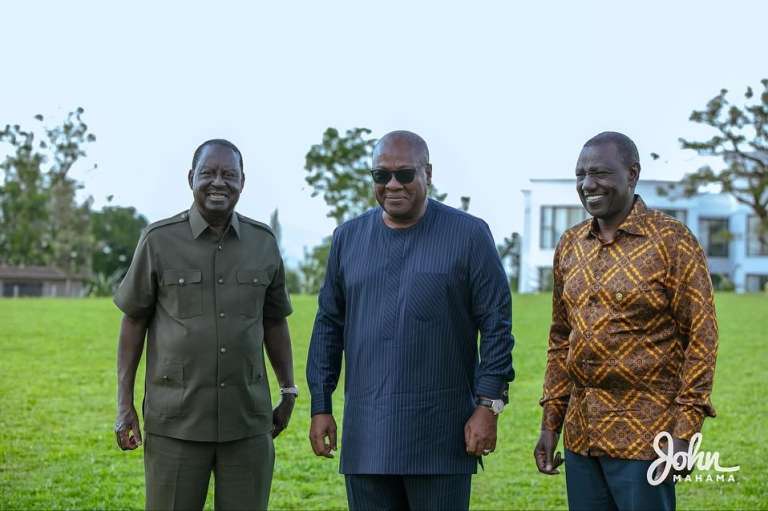
Mahama mourns former Kenya Prime Minister Odinga 

0

President John Dramani Mahama has extended his condolences to Kenyan President William Ruto, the Odinga family and the people of Kenya over the demise of former Kenyan Prime Minister Raila Odinga.

 The late former Kenyan Prime Minister passed away in India on Tuesday, October 15, at the age of 80.

In a message of condolence shared on his Facebook page, President Mahama said Mr Odinga’s passing is “a sad loss to Kenya, Africa and the world!”

“My condolences, President William Samoei Ruto, Mama Idah Odinga, the Odinga family and the people of Kenya,” he wrote.

DISCLAIMER: The Views, Comments, Opinions, Contributions and Statements made by Readers and Contributors on this platform do not necessarily represent the views or policy of Multimedia Group Limited.

DISCLAIMER: The Views, Comments, Opinions, Contributions and Statements made by Readers and Contributors on this platform do not necessarily represent the views or policy of Multimedia Group Limited.


source

Paul Biya and 9 Other Oldest Presidents in Africa in 2025

0

Cameroon’s 2025 presidential election has once again drawn global attention to Africa’s ageing political leadership. President Paul Biya, now 92, has ruled the Central African nation for more than four decades, making him one of the world’s longest-serving and oldest heads of state.

His continued dominance in politics despite his advanced age reflects a broader pattern across the continent, where several leaders in their 70s, 80s, and even 90s remain firmly in power.

From Equatorial Guinea’s Teodoro Obiang Nguema to Nigeria’s Bola Tinubu, the persistence of elderly presidents highlights both the continent’s leadership longevity and the widening generational gap between rulers and the continent’s youthful population.

Below is a list of the ten oldest presidents in Africa as of 2025.

ALSO READ: Top 10 Countries in Africa with the Most Expensive Internet Data: 2025 Rankings

ADVERTISEMENT

10 oldest presidents in Africa as of 2025.

1. Paul Biya, Cameroon – 92 years old

Cameroon's President Paul Biya waits for the arrival of France's President Emmanuel Macron (unseen) for talks at the Presidential Palace in Yaounde, on July 26, 2022. [Getty Images]

Cameroon’s President Paul Biya waits for the arrival of France’s President Emmanuel Macron (unseen) for talks at the Presidential Palace in Yaounde, on July 26, 2022. [Getty Images]

At the top of the list is Cameroon’s Paul Biya, who at 92 is not only Africa’s oldest president but also the longest-ruling non-royal leader in the world. In power since November 1982, Biya has governed Cameroon for over forty (40) years, making his presidency a defining feature of the nation’s political life across generations.

2. Jean-Lucien Savi de Tové, Togo – 85 years old

ADVERTISEMENT

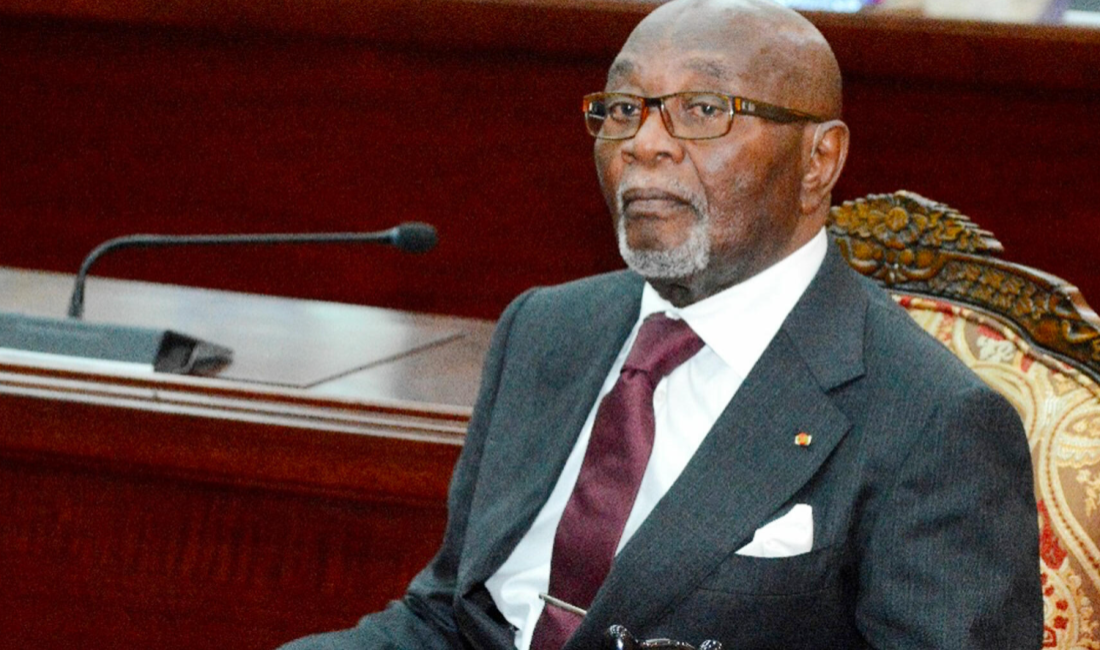
Jean-Lucien Savi de Tové

Jean-Lucien Savi de Tové

At 85, Togo’s Jean-Lucien Savi de Tové made history in May 2025 as the oldest person ever to assume the presidency in his country. His rise followed constitutional reforms that established Togo’s Fifth Republic, marking a major political transition.

ALSO READ: Top 10 African Passports with the Most Visa-Free Destinations: October 2025 Power Rankings

3. Alassane Ouattara, Ivory Coast – 83 years old

Alassane Ouattara, Ivory Coast

Alassane Ouattara, Ivory Coast

ADVERTISEMENT

Alassane Ouattara has led Ivory Coast since 2010, making him one of West Africa’s longest-serving leaders. At 83, the former IMF economist continues to guide his nation’s economic and political path, despite ongoing calls for generational renewal.

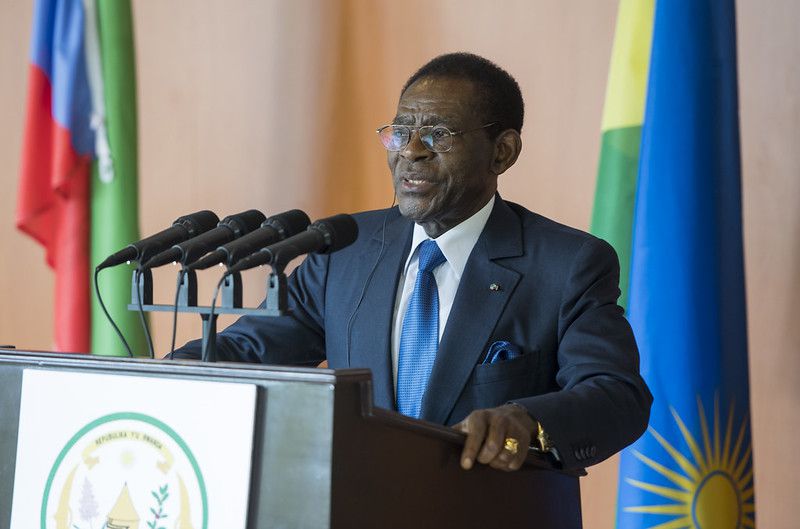
4. Teodoro Nguema Mbasogo, Equatorial Guinea – 83 years old

Teodoro Nguema Mbasogo, Equatorial Guinea

Teodoro Nguema Mbasogo, Equatorial Guinea

Equatorial Guinea’s Teodoro Nguema Mbasogo has ruled since 1979 after seizing power in a military coup. Now 83, he holds the title of Africa’s longest-serving president and the second longest-serving non-royal leader in the world after Paul Biya.

ALSO READ: Top 10 Countries in the World with the Highest Number of Dollar Millionaires: 2025 Rankings

ADVERTISEMENT

5. Emmerson Mnangagwa, Zimbabwe – 83 years old

Zimbabwean President Emmerson Mnangagwa

Zimbabwean President Emmerson Mnangagwa

Zimbabwe’s Emmerson Mnangagwa, also 83, took office in November 2017 following the dramatic ousting of Robert Mugabe. A veteran of the ruling ZANU-PF party and a former vice president, his tenure continues Zimbabwe’s tradition of leadership by political veterans.

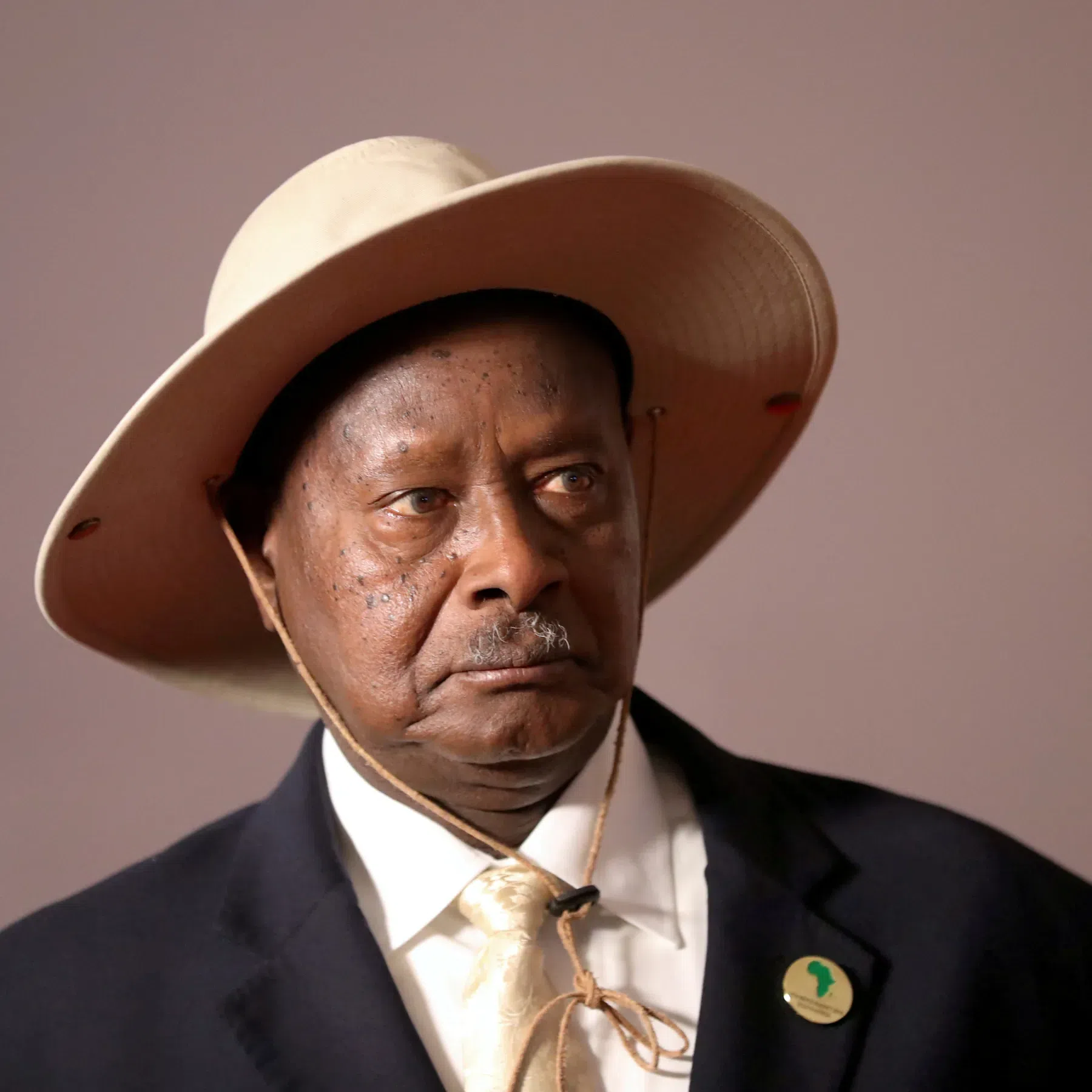
6. Yoweri Museveni, Uganda – 81 years old

Paul Biya and 9 Other Oldest Presidents in Africa in 2025
ADVERTISEMENT

Uganda’s Yoweri Museveni has governed since 1986, making him one of the continent’s most enduring leaders. At 81, his administration has spanned nearly four (4) decades, introducing policies that have both modernised and divided Ugandan society.

ALSO READ: Top 10 Most Beautiful Hotels in the World: 2025 Rankings

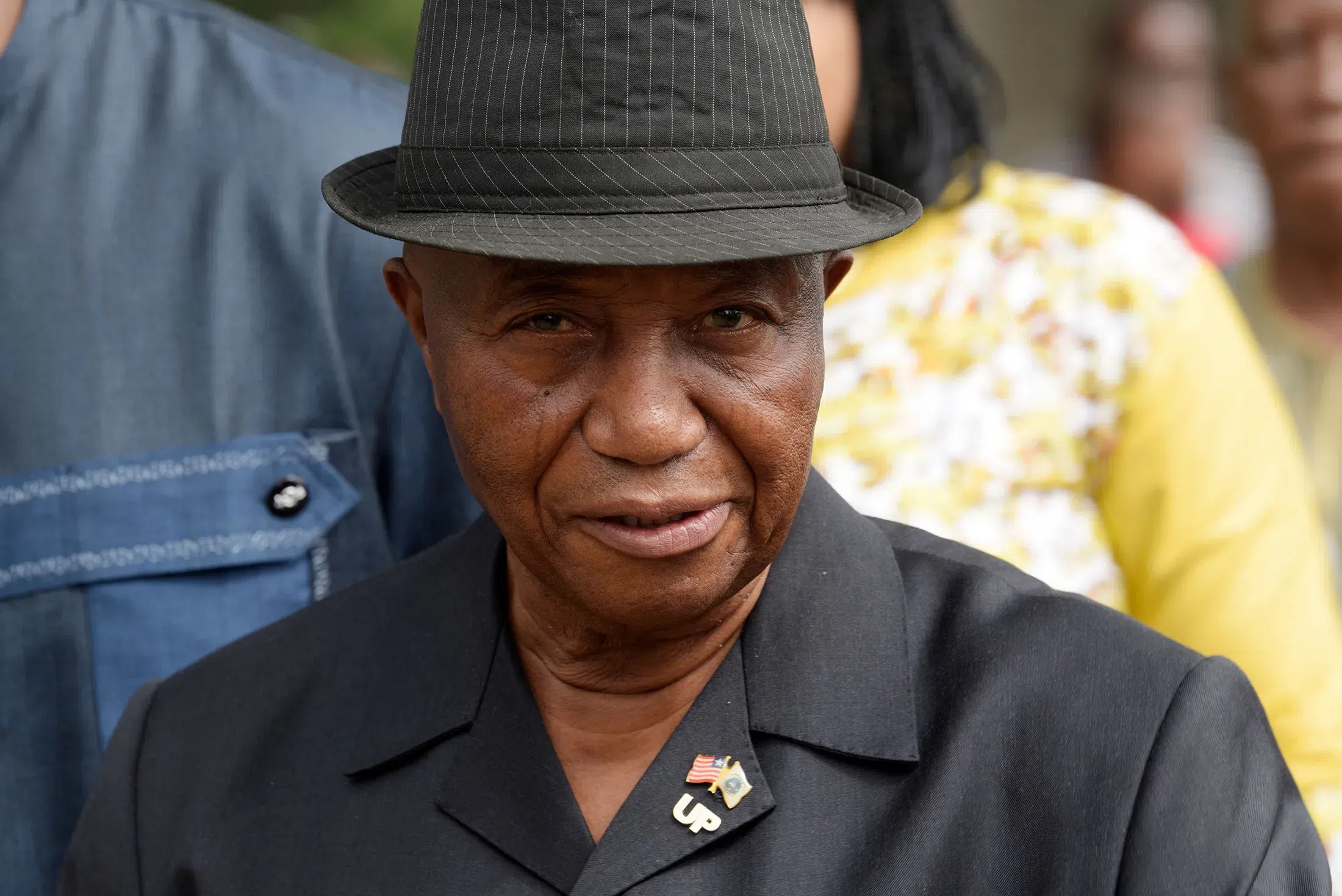
7. Joseph Boakai, Liberia – 80 years old

Paul Biya and 9 Other Oldest Presidents in Africa in 2025

Joseph Boakai became Liberia’s 26th president in January 2024 after decades of public service, including serving as vice president under Ellen Johnson Sirleaf. At 80, his election made him one of the oldest leaders to take office in Africa.

ADVERTISEMENT

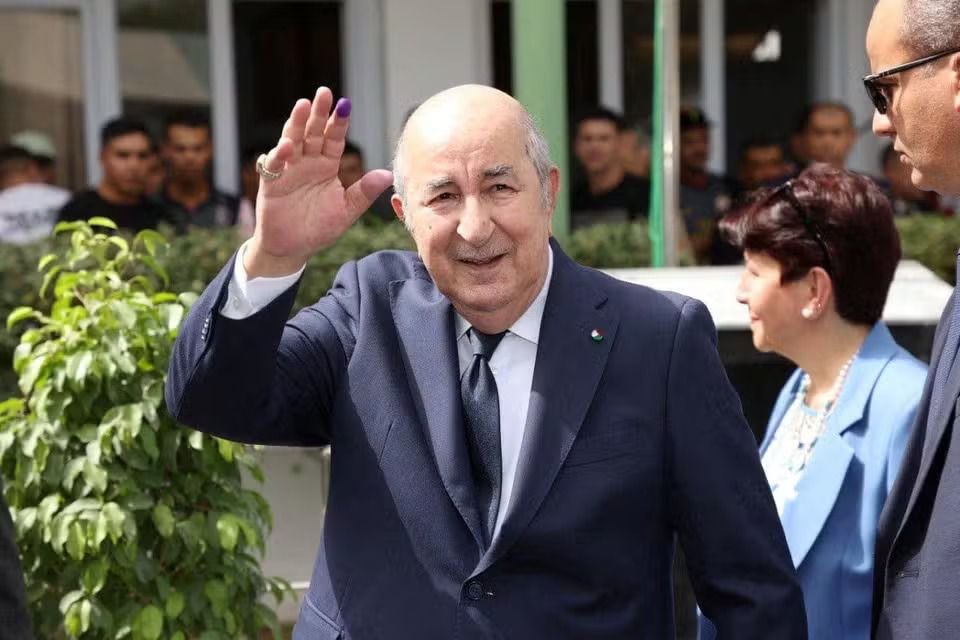
8. Abdelmadjid Tebboune, Algeria – 79 years old

ALGERIAN PRESIDENCY / VIA REUTERS

ALGERIAN PRESIDENCY / VIA REUTERS

Algeria’s Abdelmadjid Tebboune, 79, assumed office in 2019 following the resignation of long-time leader Abdelaziz Bouteflika. As North Africa’s oldest president, Tebboune’s tenure represents continuity in a region often dominated by long-serving leaders.

ALSO READ: Top 10 Cleanest Countries in the World: Latest Rankings

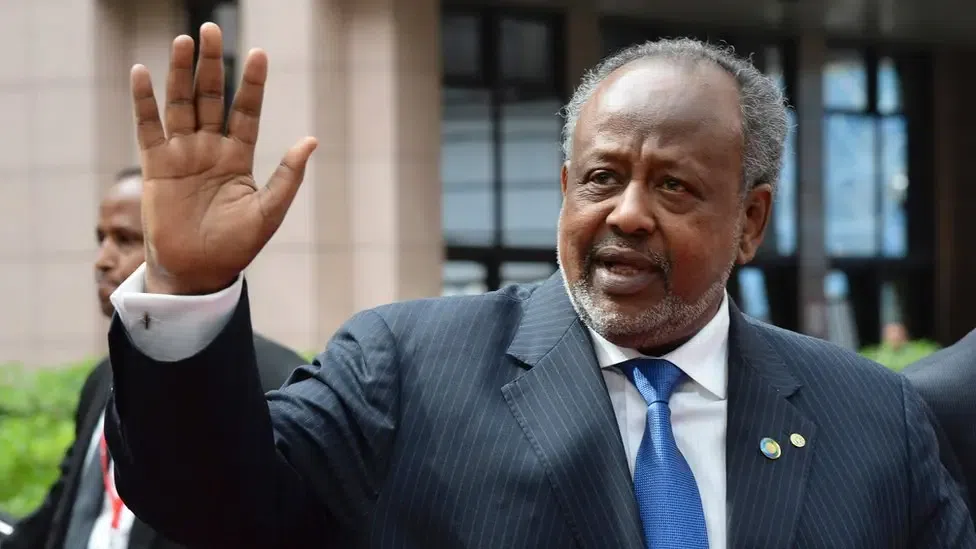
9. Ismail Omar Guelleh, Djibouti – 77 years old

ADVERTISEMENT

Ismail Omar Guelleh via Getty Images

Ismail Omar Guelleh via Getty Images

Ismail Omar Guelleh via Getty Images

Ismail Omar Guelleh has led Djibouti since 1999, succeeding his uncle as president. At 77, his 26-year rule has helped turn the small Horn of Africa nation into a key strategic hub, although human rights organisations have criticised his administration.

10. Bola Ahmed Tinubu, Nigeria – 76 years old

President Bola Tinubu. [Facebook]

President Bola Tinubu. [Facebook]

Nigeria’s Bola Ahmed Tinubu closes the list at 76, though his exact age remains a topic of debate, with some alleging he could be older. Regardless, Tinubu currently leads Africa’s most populous nation, playing a central role in its economic and political direction.

ADVERTISEMENT

ALSO READ: Top 10 Best Airports in Europe: 2025 Rankings

Conclusion

The concentration of elderly leaders across Africa raises questions about succession planning, democratic renewal, and leadership transition. While experience and continuity bring stability, critics argue that such extended tenures can stifle innovation, limit generational change, and slow the emergence of younger leaders equipped to address Africa’s evolving challenges.

source

Soft aesthetics are taking over: Where comfort meets culture

0

#Featuredpost

A silent revolution has been taking place in how we decorate our home, how we dress and what we wear to unwind on a lazy day. The stark minimalism of a few years ago and the maximalist, ‘declutter-everything’ culture that followed are now giving way to something softer: it’s a style many refer to as the soft aesthetic. It’s soft (of the squishy marshmallow variety), colourful (in more pastel tones), warmly lit and offering a comfort that feels like a hug. 

This aesthetic has transcended fashion and interiors. It has since become a cultural ethos, a rejection of stress and noise in favour of peace and positivity. Whether there are warm nooks overrun by plush toys or pastel-hued areas inspired by Instagram feeds, the world is opting for soft as the antidote to chaos.

Source: Unsplash

There is a reason the soft aesthetic is resonating with people on such a profound level. It strikes a nerve all its own, something that’s been gnawing at us this whole time: mostly the feeling of wanting comfort and quiet. We’re starting to take notice of things that help us relax, from fluffy textures and soft colours to playful designs. They provide us with the feeling of relaxation. It is not an escape from reality so much as a search for some breathing space and a return to being grounded in this manic world.

This can be seen more widely in the rise of a ‘soft life’, a movement seen across popular media and social media that highlights comfort, relaxation, and the importance of personal well-being over constant productivity and societal pressure. It’s described by Forbes as a movement designed to reject hustle culture and emphasise self-care.  

How Aesthetics Intersect with Culture

Entertainment, too, has changed. Television shows are offering a more inclusive hue, playlists feel a lot mellower and safer, and cyberspace is full of material that people find more comforting, allowing them to feel seen. It shows you just how powerful a little comfort can be. 

This aesthetic has also made its mark in gaming, with games utilising “cosy aesthetics”. Even in iGaming, these aesthetics make an appearance, with an example of this being the Fluffy Favourites slot. With colourful artwork, endearing hand-drawn graphics. It shows how more pacifying aesthetics are appearing in entertainment around the world.

Recommended For You

a display case filled with lots of stuffed animals

Source: Unsplash

The rising popularity of soft aesthetics tells us a lot about where we’re going as a culture. We are placing a premium on comfort, kindness, and connection more than ever, not just in how we live, but also in what we consume. From home design and fashion to the games we play, this mass yearning for warmth and tranquillity is proof that “soft” doesn’t mean weak; it means purposeful.

As people continue to seek some sort of equilibrium in a loud world, the gentle aesthetic becomes increasingly appealing. Because, indeed, a bit of softness, in colour or texture, in body and spirit, never goes out of style.

#Featuredpost

source

Alan Kyerematen’s United Party turns down NPP amnesty offer 

0

Alan John Kwadwo Kyerematen’s newly rebranded United Party has rejected suggestions that former members who broke away from the New Patriotic Party (NPP) could be granted “amnesty” to return to the party.o

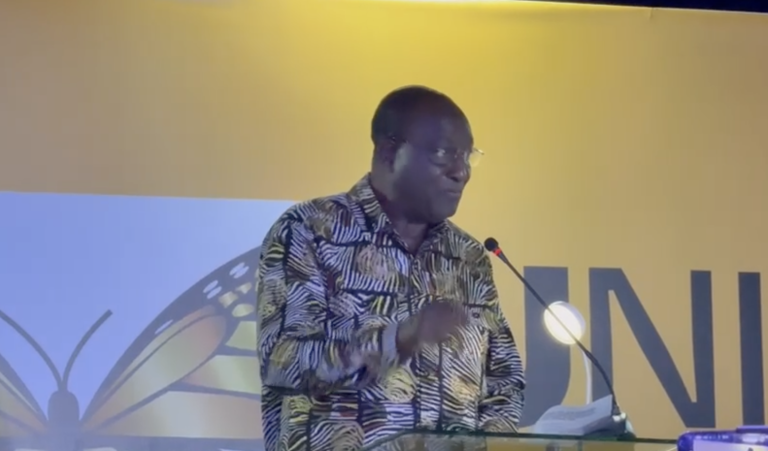
National Chairman of the United Party said, “We were sacked from the NPP, but now they want to grant us amnesty? We will not go back,” he declared to loud cheers from party supporters.

Siddique argued that the NPP had no moral ground to offer forgiveness when, according to him, no crime had been committed to warrant their expulsion in the first place.

“We were sacked. But today they claim they are giving us amnesty. What does amnesty mean? What crime did our leader commit? What crime did I commit in the NPP for you to sack me? And today you are telling me you are giving me amnesty. No way,” he said.

Drawing an analogy to Islamic marriage, the National Chairman stressed that their break from the NPP was final.

“When you divorce a woman three times in Islam, she’s no longer your wife until kingdom come,” he added, amid applause.

Alan Kyerematen, a former Trade and Industry Minister, resigned from the NPP in 2023 to form the Movement for Change. A party he has rebranded under the name United Party.

His decision followed growing tensions within the governing party over internal leadership contests and what he described as unfair treatment.

DISCLAIMER: The Views, Comments, Opinions, Contributions and Statements made by Readers and Contributors on this platform do not necessarily represent the views or policy of Multimedia Group Limited.

DISCLAIMER: The Views, Comments, Opinions, Contributions and Statements made by Readers and Contributors on this platform do not necessarily represent the views or policy of Multimedia Group Limited.


source

2026 World Cup Qualified Teams: Full List and Latest Updates

0

The two-year qualifying process for the 2026 World Cup is nearly complete, with 28 nations booking their spots in next summer’s tournament. While traditional powerhouses like Argentina, Brazil, and England have predictably secured their places, it’s the smaller nations, many competing for the first time, that have written the most compelling chapters in this qualifying cycle.

Cape Verde: The Tiny Island Nation That Shocked Africa

2026 World Cup Qualified Teams: Full List and Latest Updates

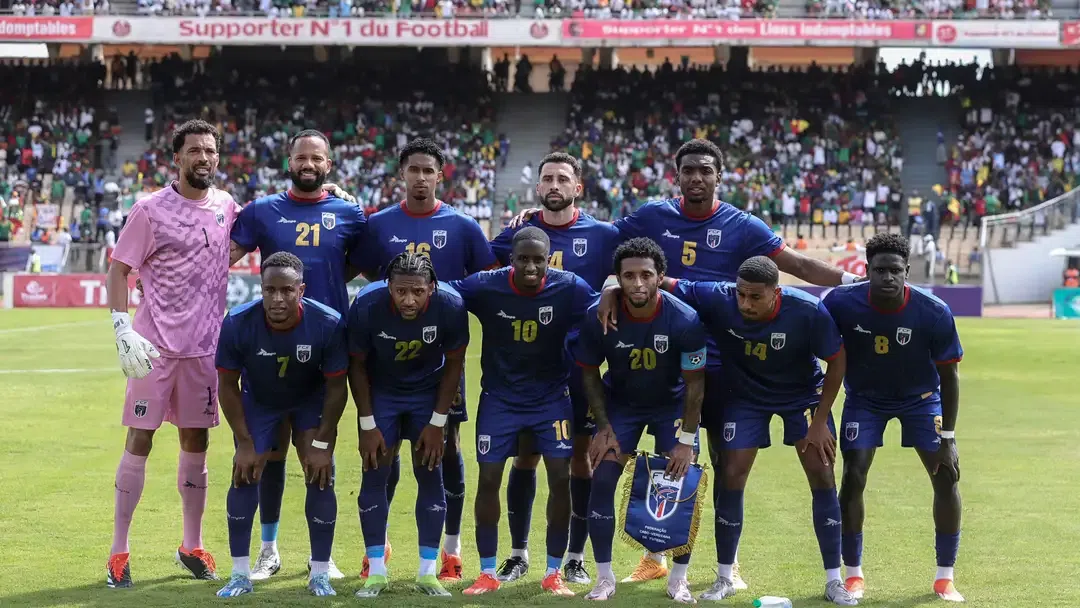
In one of the greatest underdog stories in World Cup qualifying history, Cape Verde secured qualification for the first time ever, stunning Group D favourites Cameroon to claim the top spot in the Confederation of African Football’s qualifying process. The accomplishment becomes even more remarkable when you consider the numbers.

MUST READ: Morocco knock out France to set up FIFA U-20 World Cup final against Argentina

ADVERTISEMENT

With a population of just 527,000, Cape Verde becomes the second least-populous nation ever to qualify for a World Cup, trailing only Iceland’s 352,000 when they qualified for 2018. Even more astonishing: at 4,000 square kilometres spread across ten islands, Cape Verde will be the smallest country by land area ever to appear at a World Cup—even smaller than Trinidad and Tobago when they qualified for Germany 2006.

Back in June 2024, after suffering a 4-1 defeat to Cameroon, barely anyone gave Cape Verde a chance to emerge from Group D. But the Blue Sharks had other plans. On the final matchday, Cape Verde delivered a commanding 3-0 victory over Eswatini to seal their fate, while Cameroon could only manage a 0-0 draw with Angola. The nation was so ecstatic that the government declared a half-day holiday so the entire country could watch the qualifying match, underscoring just how meaningful this historic achievement is for the island nation.

Jordan and Uzbekistan: Asia’s Surprise Packages

2026 World Cup Qualified Teams: Full List and Latest Updates

Asia produced not one, but two World Cup debutants in this qualifying cycle, both defying expectations to claim their historic berths.

ADVERTISEMENT

Uzbekistan was the first new nation to punch its ticket to the 2026 World Cup, securing its place following a scoreless draw with the United Arab Emirates on June 5, finishing second in their group behind Iran. For a nation that had never qualified before, finishing ahead of established Asian footballing nations represents a monumental achievement. The Central Asian country of 36 million proved they belong on the world stage.

READ ALSO: Loyalty over timing: Otto Addo tells foreign-born players eyeing Ghana’s World Cup team

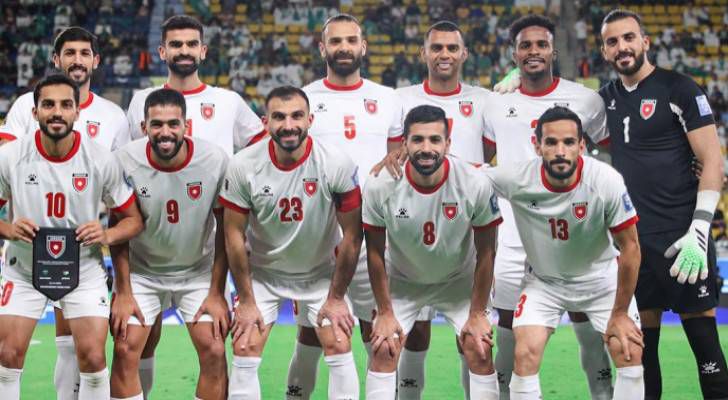
Jordan followed as the second debutant, claiming a dominant 3-0 win over Oman on the final matchday of Group B. With South Korea’s victory over Iraq, Jordan clinched second place in the group and, with it, a ticket to North America. While Jordan doesn’t boast a squad filled with global superstars beyond Rennes winger Mousa Tamari, you can’t qualify for the World Cup unless you win matches when it matters most—and that’s exactly what they did.

Qatar: Proving It Wasn’t Just About Being Hosts

2026 World Cup Qualified Teams: Full List and Latest Updates
ADVERTISEMENT

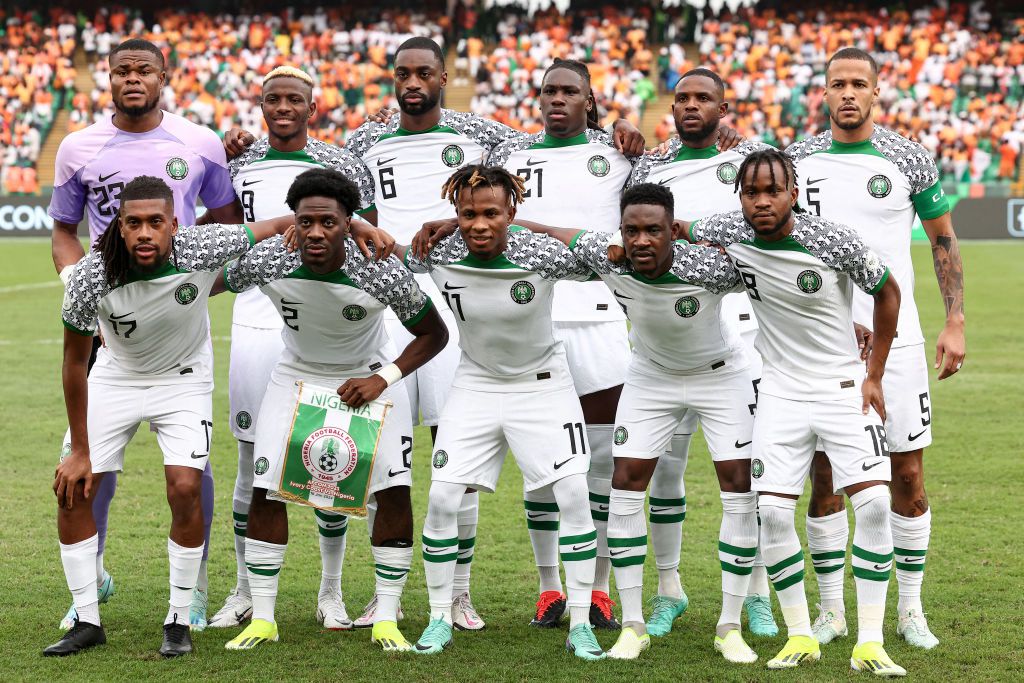
READ MORE: Did Nigeria Qualify for World Cup 2026? Here’s Everything You Need to Know

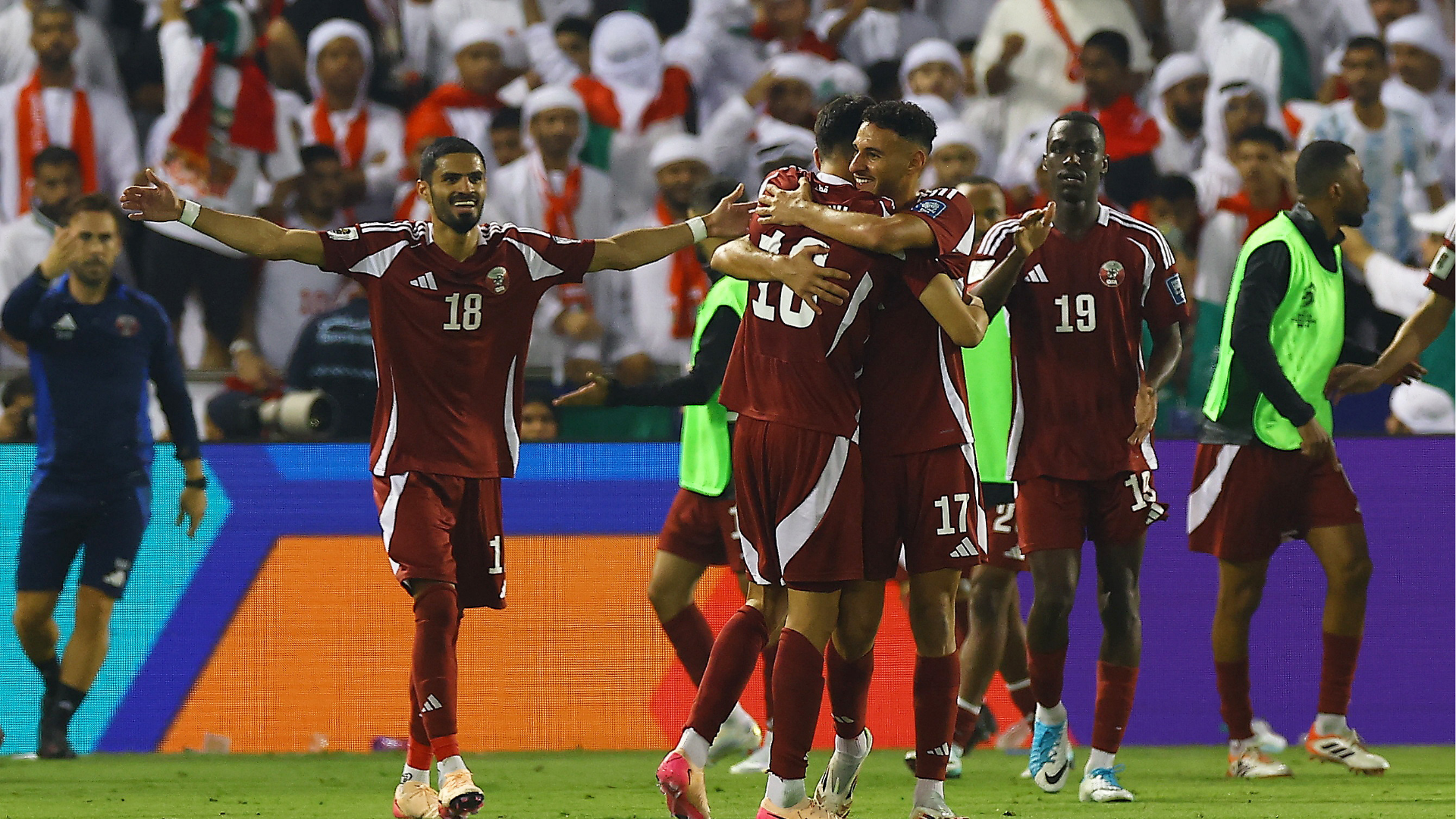
While Qatar competed at the 2022 World Cup as hosts, their 2026 qualification carries special significance. The hosts of the 2022 edition reached the finals for the first time through the qualification route, proving that their previous appearance wasn’t merely ceremonial. They’ve earned their place on merit this time, silencing critics who questioned whether they belonged at the highest level.

The Expansion Effect: Opening Doors for Football’s Minnows

The expansion from 32 to 48 teams has fundamentally changed the World Cup landscape, giving nations like Cape Verde, Jordan, and Uzbekistan realistic pathways to football’s biggest stage. The qualification process, which began in November 2023 and concluded in October 2025, has produced a more diverse field than ever before.

Africa qualified nine teams: Morocco, Tunisia, Egypt, Algeria, Ghana, Cape Verde, South Africa, Ivory Coast, and Senegal. Asia sent eight nations through direct qualification. Oceania received its first-ever guaranteed berth, claimed by New Zealand. South America saw six teams qualify directly: Argentina, Brazil, Colombia, Ecuador, Paraguay, and Uruguay.

ADVERTISEMENT

READ THIS: Africa’s Road to 2026: Ghana, Cape Verde, and 7 others seal World Cup spots

With 28 teams already qualified and 20 spots remaining, the drama continues. European qualifying extends through November 2025, with playoff matches scheduled for March 2026. The CONCACAF region beyond the three host nations of Canada, Mexico, and the United States still has three direct qualification spots and two intercontinental playoff places to determine. The intercontinental playoffs in March 2026 will provide one final opportunity for nations to secure their World Cup dreams.

For Cape Verde, Jordan, and Uzbekistan, the journey from qualifying minnows to World Cup participants is complete. Their presence at the 2026 tournament serves as a reminder that in football, David can still slay Goliath—and sometimes, the smallest nations create the biggest stories.

Who Has Qualified for the World Cup 2026?

The 2026 World Cup will include 48 teams, a huge jump up from the 32 that participated in Qatar 2022. As of mid-October 2025, 28 nations have qualified.

ADVERTISEMENT

Here is a complete list of every country to qualify for the 2026 World Cup:

Host Nations: Canada, Mexico, United States

Asia (8 teams): Australia, Iran, Japan, Jordan, Qatar, Saudi Arabia, South Korea, Uzbekistan

Africa (9 teams): Algeria, Cape Verde, Egypt, Ghana, Ivory Coast, Morocco, Senegal, South Africa, Tunisia

CONCACAF: None yet (beyond hosts)

ADVERTISEMENT

READ ALSO: Cape Verde makes history, becomes second smallest country to qaulify for first World Cup

Europe (1 team): England

Oceania (1 team): New Zealand

South America (6 teams): Argentina, Brazil, Colombia, Ecuador, Paraguay, Uruguay

The Final Spot, Play-Offs, Format, Dates, and Final Qualification Path

ADVERTISEMENT

2026 World Cup Qualified Teams: Full List and Latest Updates

The 2026 FIFA World Cup play-offs will determine the final teams to qualify for the expanded 48-nation tournament to be hosted by the United States, Mexico, and Canada.

In Africa (CAF), the play-offs will be held in Morocco from November 13–16, 2025, featuring the four best runners-up from the nine qualifying groups. The mini-tournament will consist of two semi-finals and a final, with the winner advancing to the Inter-Confederation Play-Offs in March 2026.

READ MORE: We’re not there yet – Otto Addo urges Ghanaians to lower expectations ahead of World Cup

In Asia (AFC), a two-legged tie in November 2025 between fourth-round qualifiers will decide which team progresses to the global play-offs.

ADVERTISEMENT

Europe (UEFA) will stage a 16-team play-off in March 2026, involving the 12 group runners-up and four Nations League group winners who missed out. The four winners from this phase will secure World Cup places.

The Inter-Confederation Play-Offs, scheduled for March 2026 in North America, will include six teams—one each from CAF, AFC, CONMEBOL, and OFC, plus two from CONCACAF. The two highest-ranked teams will be seeded into the second round, with only two nations advancing to the World Cup.

These play-offs represent the final opportunity for countries to reach the global stage, promising high drama, fierce competition, and moments that could define careers and nations alike.

source

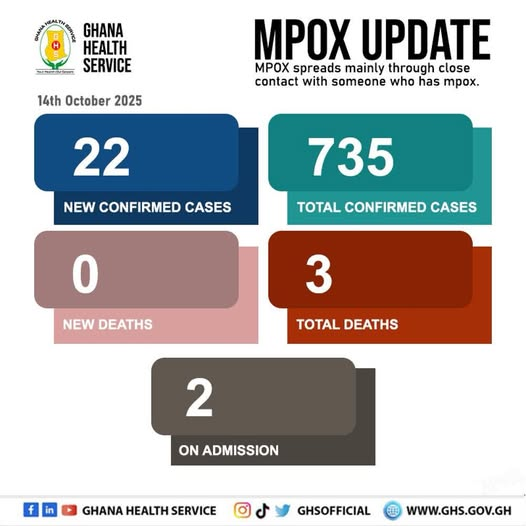
Ghana records 22 new Mpox cases; total infections hit 735 — GHS

0

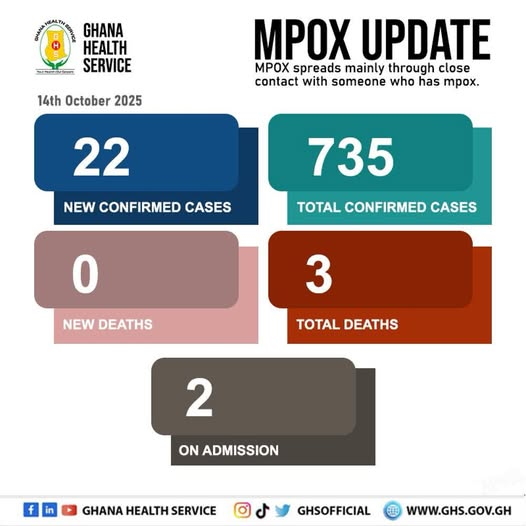
Ghana has now recorded a total of 735 confirmed cases of Mpox, according to the latest update from the Ghana Health Service (GHS) as of October 14, 2025.

The update revealed that 22 new cases have been detected in recent days, prompting renewed public health alerts.

The general public is advised to protect themselves and others by maintaining good hygiene and reporting any symptoms immediately.

The symptoms of Mpox, according to the Health Service, include fever, rash, headache, muscle aches, swollen lymph nodes, chills, and tiredness.

It said anyone who develops such symptoms should visit the nearest health facility without delay.

Ghana first recorded Mpox cases in 2022, and the disease has since continued to resurface in several parts of the country, with health authorities calling for heightened public awareness and caution.

DISCLAIMER: The Views, Comments, Opinions, Contributions and Statements made by Readers and Contributors on this platform do not necessarily represent the views or policy of Multimedia Group Limited.

DISCLAIMER: The Views, Comments, Opinions, Contributions and Statements made by Readers and Contributors on this platform do not necessarily represent the views or policy of Multimedia Group Limited.


source