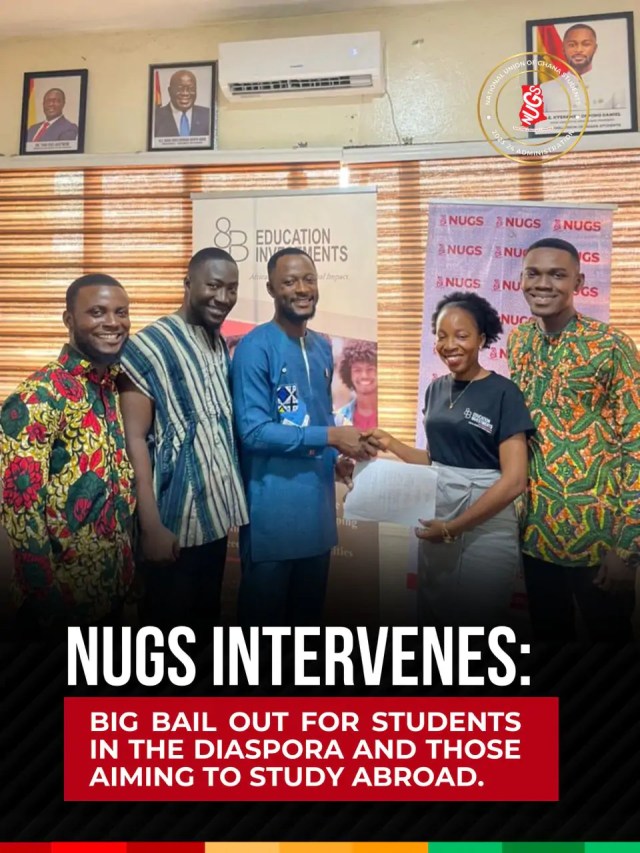
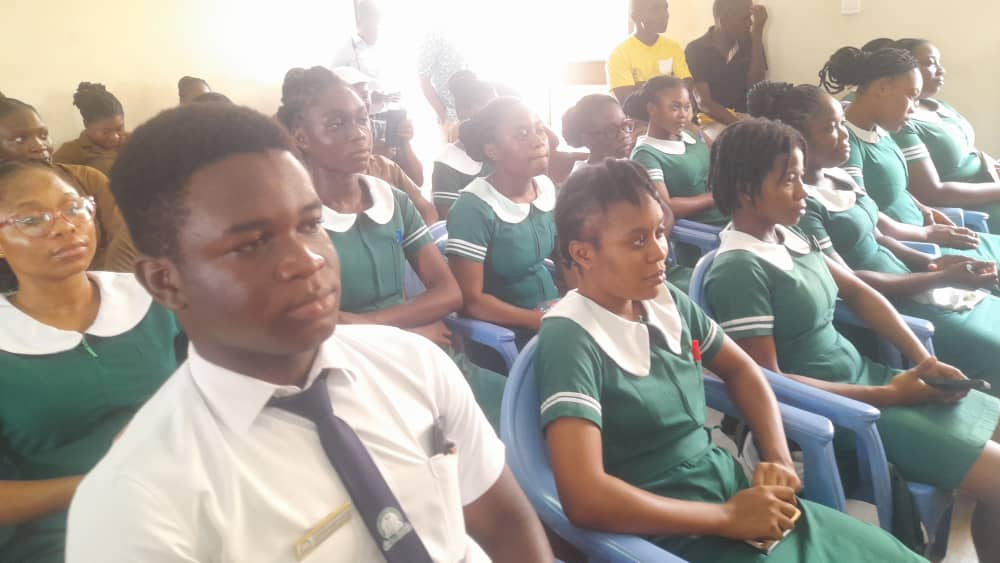
In a move set to benefit countless Ghanaian students, the National Union of Ghana Students (NUGS) has secured a major funding agreement to support students pursuing studies abroad.
The Union signed a partnership with 8B Africa, a prominent education investment organization, to provide loans and scholarships for those aiming to study in America, Canada, or the UK.
This landmark achievement follows a promise made by NUGS President, H.E Kyeremeh Oppong Daniel, at the Central Committee’s Meeting held in October at Sunyani Technical University.
Recognizing the financial challenges faced by many students with international study aspirations, the President pledged to find solutions to bridge the gap.
This agreement marks the successful culmination of those efforts. The partnership with 8B Africa will equip students with the financial support they need, in the form of loans, to turn their study abroad dreams into reality.
This initiative is expected to benefit a significant number of students across Ghana, empowering them to pursue their academic goals on a global stage.
Expressing their optimism, the NUGS leadership stated, “We are thrilled to be able to offer this life-changing opportunity to our fellow students. This partnership with 8B Africa will not only ease the financial burden for many, but also open doors to prestigious educational institutions abroad. We believe this will have a profound impact on the lives of countless individuals, and we are proud to be a part of making it happen.”
For students eager to learn more about this exciting opportunity, NUGS has provided dedicated contact numbers for inquiries:
0593038091
0549410007
0598056961
The National Union of Ghana Students continues to demonstrate its unwavering commitment to supporting and empowering Ghanaian students both at home and abroad.
This major funding agreement serves as a testament to their dedication to ensuring that every student has the opportunity to reach their full potential, regardless of their financial background.
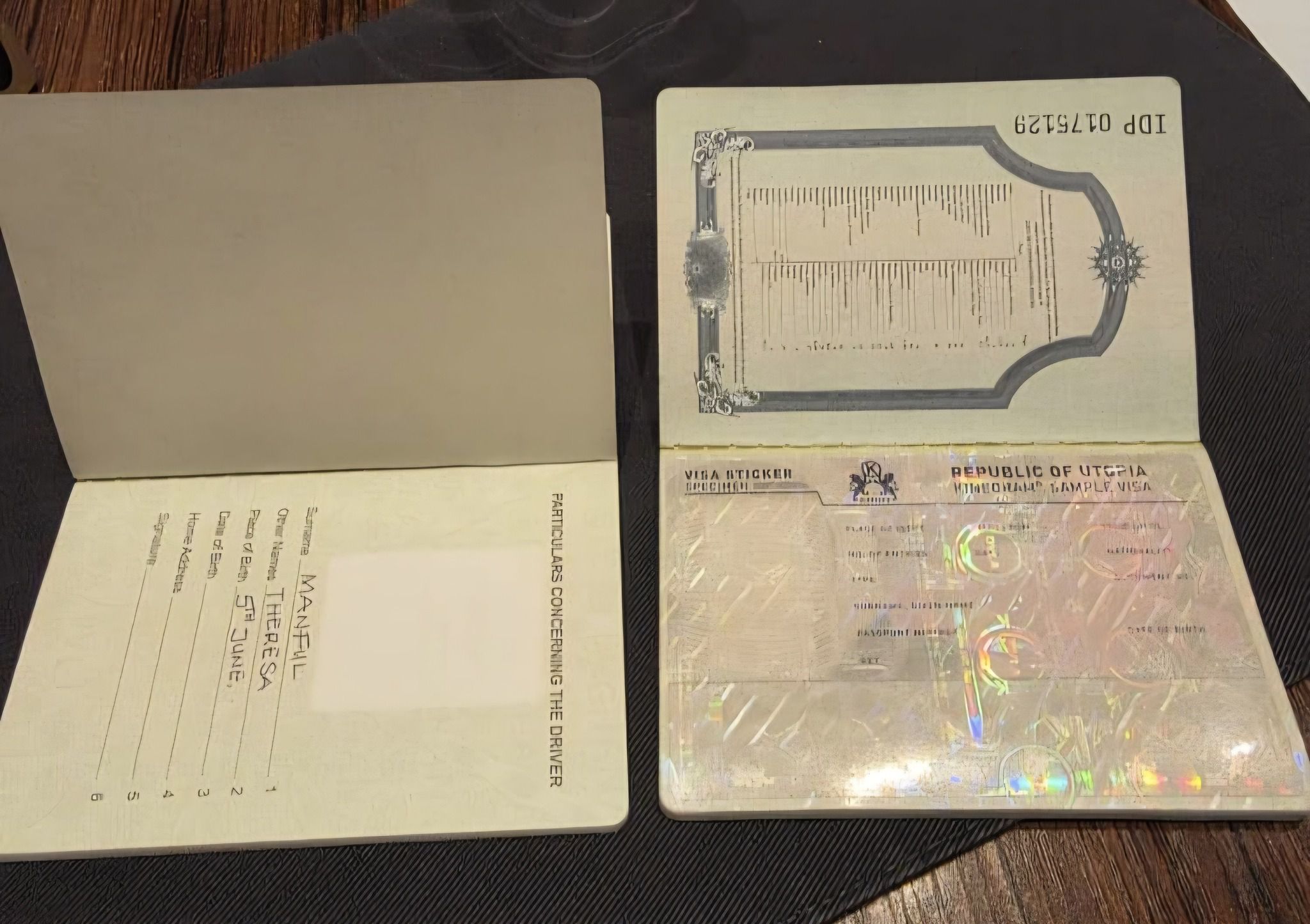
If you’ve ever travelled abroad and watched an immigration officer squint suspiciously at your international driver’s licence, this news will make you smile. Ghana’s Driver and Vehicle Licensing Authority (DVLA) is going high-tech — and global.
Come 2026, the DVLA plans to roll out biometric international driver’s licences (IDLs) and international vehicle permits (IVPs) that will meet international standards and finally give Ghanaian drivers some borderless confidence.
But what exactly are these documents, and how do they differ from the passport in your travel wallet? Let’s unpack it.
First, what are biometric travel documents?
In simple terms, “biometric” means your document carries unique physical identifiers — such as your fingerprints or facial data — digitally stored in a secure chip.
So instead of someone merely looking at your photo to verify it’s really you, a machine can read and confirm your identity. It’s the same concept behind Ghana’s new chip-embedded passports, launched recently by the Ministry of Foreign Affairs.
These biometric passports come with a tiny microprocessor chip that holds your personal details, a digital photo, and biometric markers — all aimed at enhancing security and cutting out fraud.
The DVLA isn’t just issuing licences anymore; it’s going global.
The upcoming biometric international driver’s licences and vehicle permits will:
Include biometric data (like fingerprints and a photo)
Be machine-readable and tamper-proof
Meet ISO specifications recognised worldwide
Make Ghana’s driving documents verifiable across borders
According to the DVLA’s Chief Executive Officer Julius Neequaye Kotey, this move is to ensure Ghanaian drivers’ licences and vehicle permits are accepted anywhere in the world — without side-eyes from foreign authorities.
For years, some countries have refused to recognise Ghana’s older versions because they didn’t fully meet certain international standards. That’s the gap these new documents will fill.
Why the change matters
ADVERTISEMENT
Think of it this way: Ghana is trying to give its citizens the same credibility that drivers from Europe or the U.S. enjoy when they show their documents abroad.
It’s also a security upgrade. The biometric format makes forgery or duplication extremely difficult. That means fewer fake licences floating around — and a tighter, more credible system overall.
It’s part of Ghana’s broader digital transformation in travel and identification — from the Ghana Card to the e-passport rollout and now, digital driver verification.
When will this happen?
The DVLA says the rollout will begin in 2026, covering all its regional and district offices across the country.
For now, your existing licence and vehicle documents remain valid, but when the time comes, there’ll likely be a transition period for everyone to upgrade to the new biometric versions.
Exact pricing and renewal processes haven’t been disclosed yet, but given the government’s recent 30% passport fee reduction, drivers are hopeful it won’t be a wallet-draining affair.
How this connects with Ghana’s new passports
ADVERTISEMENT
Ghana’s DVLA is rolling out biometric travel documents — Here’s what that means for you
The Ministry of Foreign Affairs recently introduced chip-embedded passports — Ghana’s biggest passport upgrade in years.
These new passports feature enhanced security indicators and are linked to the National Identification Authority’s Ghana Card database, allowing smoother verification and fewer delays during international travel.
There’s even talk of 24-hour passport processing, door-to-door delivery, and online tracking — all of which point to a more efficient, tech-driven future for Ghanaian documentation.
So, while the DVLA’s new licences and permits may not be passports, they’re definitely part of the same bigger story — one where Ghanaian travellers move across borders with more recognition, more security, and a little more swagger.
The bottom line
In a few years, your driver’s licence could become more than just a local ID — it could be a globally recognised travel document with your digital fingerprint embedded in it.
It’s a bold step for the DVLA, and an exciting one for every Ghanaian who dreams of seeing the world — safely, smartly, and with documents that finally get the respect they deserve.
Head coach of the Black Stars, Otto Addo, has lauded captain Jordan Ayew for his exceptional leadership and influence within the national team.
Jordan, who captained the side during the World Cup qualifiers, played a pivotal role in helping Ghana secure qualification for the tournament to be hosted across Canada, Mexico, and the USA.
The Leicester City forward delivered an outstanding performance throughout the campaign, scoring seven goals and providing seven assists — a total of 14 goal involvements in 10 appearances.
Speaking to Joy Sports, Otto Addo expressed admiration for Ayew’s consistency and leadership qualities.
“Since the day I came, he’s been good,” Otto said.
“I predominantly see him as a center forward. He’s a great leader. The most important thing is that we have clarity and unity in the team.”
Ayew will make his 3rd appearance at the FIFA World Cup in Mexico, Canada and the USA, after making previously featuring in the 2014 and 2022 editions.
DISCLAIMER: The Views, Comments, Opinions, Contributions and Statements made by Readers and Contributors on this platform do not necessarily represent the views or policy of Multimedia Group Limited.
DISCLAIMER: The Views, Comments, Opinions, Contributions and Statements made by Readers and Contributors on this platform do not necessarily represent the views or policy of Multimedia Group Limited.
Ghanaian journalist and broadcaster, Afia Pokuaa, has strongly criticised former Deputy Executive Director of the National Service Authority (NSA), Gifty Oware-Mensah, over her alleged involvement in a GH¢38.4 million financial scandal.
In a video shared on Instagram, Afia Pokuaa described the allegations against Oware-Mensah as “disgusting” and “indefensible.” She insisted that no member of the ruling New Patriotic Party (NPP) should attempt to justify the charges brought against the former NSA official.
‘The B.A.T.U. Project: ADAM THE FIRST’, a groundbreaking science fiction film produced by Q-Vision Ltd, has been selected to screen at the prestigious Miami International Science Fiction Film Festival (MiSciFi). This marks a significant achievement for the Ghanaian film industry, showcasing local talent on an international stage.
Ghana’s podcasting revolution: From relatable banter to empowering conversations, these creators are redefining storytelling and connecting a nation
“The national service scandal is disgusting. The charge against her is stealing, and that is not a small charge. Even the NPP gurus cannot justify it. She should go and answer for herself in court. It just doesn’t make sense, and I don’t know any evidence she can use to justify herself… This is messed up,” she stated.
ADVERTISEMENT
While acknowledging that Oware-Mensah remains innocent until proven guilty, Afia Pokuaa stressed that the allegations alone were damaging enough to warrant public concern.
“For her name to be attached to such a case is bad, but nobody should justify this. As I earlier said, innocent until proven guilty, so she should go and prove herself in court. Most of the people the NPP gave appointments to are questionable. She even gave a scholarship to her husband, while some poor people genuinely needed that help. Whether she’s guilty or not, this is unacceptable and a complete conflict of interest,” she added.
The Attorney General and Minister for Justice, Dr Dominic Ayine, on October 13, 2025, approved a charge sheet against Gifty Oware-Mensah, accusing her of money laundering, theft, and causing financial loss to the state.
According to the six-page document, the former NSA deputy director allegedly misappropriated a total of GH¢38,458,248.87 between February 2022 and March 2024. The funds were reportedly channelled through a private account under the name Block of Life Consult for her personal benefit.
The charge sheet also revealed that Oware-Mensah allegedly caused an additional financial loss of GH¢6,956,157.47 by authorising a GH¢31,502,091.40 loan from the Agricultural Development Bank (ADB), which accrued unnecessary interest to the state.
Black Stars head coach Otto Addo has lavished praise on goalkeeper Benjamin Asare for his outstanding role in Ghana’s qualification for the FIFA World Cup.
Addo handed Asare his senior debut in March against Chad, and the Hearts of Oak shot-stopper has since established himself as Ghana’s first-choice goalkeeper.
In an exclusive interview with Joy Sports, Addo expressed satisfaction with his decision, saying Asare’s consistent performances have justified the trust placed in him ahead of the team’s other goalkeepers.
“He trained well. He had an extremely good week when he came in and I said it was enough to give him a chance. When we gave him a chance, he proved it,” he said.
Despite months of criticism over his selection choices, Otto Addo remains firm in his conviction.
“It’s normal that players will be criticize but I don’t understand this discussion [about Benjamin Asare] especially after we qualified,” he added.
Asare has kept 5 clean sheets in his first 6 appearances for the Black Stars in competitive games, conceding just once.
DISCLAIMER: The Views, Comments, Opinions, Contributions and Statements made by Readers and Contributors on this platform do not necessarily represent the views or policy of Multimedia Group Limited.
DISCLAIMER: The Views, Comments, Opinions, Contributions and Statements made by Readers and Contributors on this platform do not necessarily represent the views or policy of Multimedia Group Limited.
The National Chairman of the National Democratic Congress (NDC), Johnson Asiedu Nketiah, has reiterated the party’s commitment to grassroots engagement and responsive governance as he embarks on a regional working tour of the Volta Region.
The tour, which has already taken him to Afadzato South, Ho Central, Ho West, Akatsi North, and Akatsi South, forms part of efforts to reconnect the national leadership with the party’s base, strengthen internal structures, and build unity ahead of the next general elections.
Addressing party members, traditional authorities, and residents in Ho West, Mr Asiedu Nketiah stressed the importance of constant communication and accountability between leaders and the people, describing such engagements as the lifeblood of every organisation.
“This type of meeting is necessary,” he said. “Those who were in the party during President Mahama’s time would recall that every six months, all government appointees, ministers, and CEOs were deployed to reach out to constituencies across the country to explain government policies, discuss their implementation, and take feedback. That is how we were always able to carry the people along.”
He lamented that in recent times, such direct engagement had been replaced by digital communication, which, in his view, can not substitute personal contact.
“For some time now, we’ve missed that opportunity because of WhatsApp and Facebook. We think by communicating on social media, we are reaching everyone, but that is completely different,” he emphasized.
The NDC Chairman, who has earned the nickname ‘General Mosquito’ for his active and assertive leadership style, underscored that he was elected not to be an “armchair chairman” but a field chairman, one who will stay in touch with the people.
“You elected me not to be an armchair chairman. I don’t intend to be one. I am a field chairman,” he declared. “That’s why I am here — to listen to your concerns, to assess whether what we are doing is effective, and to ensure that we are improving our systems through honest feedback.”
Mr Asiedu Nketiah also noted that part of his mission was to reinstitute outreach activities that were a hallmark of previous NDC administrations under President John Mahama. According to him, consistent grassroots engagement remains critical to sustaining good governance and ensuring that public policies truly serve the people.
“We must reinstitute the outreach programmes that kept us connected to the people,” he said. “That’s how we can explain policies better, understand their impact on lives, and make the necessary adjustments early.”
During his stop in Ho Central, he thanked the constituents for their unwavering support for the NDC and the government.
“On behalf of the party, on behalf of myself, and on behalf of President Mahama, I want to thank you for the consistent support you’ve given to the NDC,” he said.
In Afadzato South, the Chairman commended the Member of Parliament, Frank Afriyie, for his investment in education, including donations of chop boxes to support students entering senior high schools. He urged other leaders to emulate such initiatives, noting that the government remains committed to improving access to quality education.
“Education is the key to transformation. If you think education is costly, try ignorance — you will see which one is more expensive,” he remarked, drawing applause from the crowd.
Mr Afriyie, for his part, stressed that investing in education remains the most effective way to secure the future of the youth.
“It’s very important that we invest in our children’s education and ensure that every child can reach the highest level they aspire to,” the MP said.
At Ho, Togbe Howusu, a respected traditional leader, commended the NDC for its enduring legacy and contributions to development in the region. He expressed confidence that with renewed focus and unity, the party will achieve a resounding victory in future elections.
“When you wear the dress of victory, the party wins — but when you wear it again, the party wins massively,” Togbe Howusu said with optimism, urging continued collaboration between traditional authorities and the political leadership.
Mr Asiedu Nketiah, still on the tour to the southern Volta, reminded members that good governance depends on openness to criticism and accountability.
“Open governance means listening to everyone — even critics,” he noted. “A criticism is not the same as an insult. When you take the wisdom in criticism, you improve the system of governance.”
He added that the party would continue to work to restore trust, transparency, and justice, emphasising that lasting progress requires patience, discipline, and collective effort.
“You can not produce a baby in three months, no matter how hard you try,” he said metaphorically. “Real transformation takes time and dedication.”
The NDC Chairman is expected to continue his tour to other parts of the Volta Region, meeting stakeholders, assessing party structures, and rallying members towards victory in the next elections.
DISCLAIMER: The Views, Comments, Opinions, Contributions and Statements made by Readers and Contributors on this platform do not necessarily represent the views or policy of Multimedia Group Limited.
DISCLAIMER: The Views, Comments, Opinions, Contributions and Statements made by Readers and Contributors on this platform do not necessarily represent the views or policy of Multimedia Group Limited.
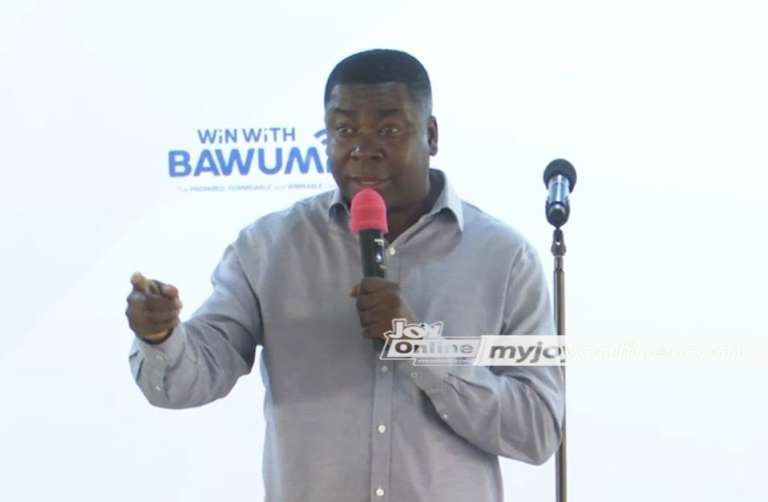
Tano North MP and spokesperson for New Patriotic Party (NPP) flagbearer hopeful, Dr Mahamudu Bawumia, has defended the former Vice President’s record, describing him as the party’s best hope to lead the NPP into victory.
Speaking to delegates on Wednesday, October 15, Dr Gideon Boako said Dr Bawumia has demonstrated exceptional loyalty, hard work, and commitment to the party, qualities that, he argued, make him stand out among his contenders.
“When I look at Vice President Dr Bawumia and how well we have served the party, that’s the same way he has served the party,” he said.
“All the other colleagues have also served, but we in the NPP have seen something good in him.”
He expressed disappointment that some party members have turned against Dr Bawumia because of internal competition, despite the former Vice President’s immense contribution during the NPP’s years in opposition.
“Isn’t it the same Bawumia whom we once regarded as our god when we were in opposition? Isn’t he the one? Back then, we looked up to Bawumia as our god. If he didn’t speak, it felt as though no one else in Ghana could speak on our behalf,” Dr Boako said.
He noted that criticisms against Dr Bawumia over the NPP’s 2024 election defeat are misplaced, insisting that the former Vice President cannot be blamed for the party’s electoral performance.
“We in the NPP know the reasons why Ghanaians voted against us. It wasn’t because of Bawumia,” he stressed.
“There’s nothing that shows that if any of those contesting against him were presented, they would have won.”
Dr Boako further dismissed claims that Dr Bawumia should not contest again because he lost in 2024, arguing that some of those making such claims also failed to win their own contests.
“Someone says Bawumia contested in 2024 and couldn’t win, so he should step aside. But that same person contested against him in 2023 and didn’t win either. So should he also not contest again?” he asked.
Dr Boako urged delegates to remain united behind Dr Bawumia, describing him as a proven and dedicated leader capable of leading the NPP to regain power in 2028.
DISCLAIMER: The Views, Comments, Opinions, Contributions and Statements made by Readers and Contributors on this platform do not necessarily represent the views or policy of Multimedia Group Limited.
DISCLAIMER: The Views, Comments, Opinions, Contributions and Statements made by Readers and Contributors on this platform do not necessarily represent the views or policy of Multimedia Group Limited.
Madagascar’s parliament voted to impeach embattled President Andry Rajoelina on Tuesday afternoon, just hours after he confirmed he had fled the country following weeks of deadly Gen Z protests. In a dramatic turn of events, an elite army unit known as CAPSAT announced it was “in charge” as parliament concluded the impeachment proceedings, marking one of the most significant political upheavals driven by youth activism in 2025.
The president attempted to dissolve parliament via a decree posted on social media from an undisclosed location, but the opposition rejected this move. Colonel Michael Randrianirina announced in a radio broadcast that CAPSAT was “in charge” and had suspended all democratic institutions except the lower parliament house, which voted to impeach Rajoelina. The suspended institutions included the senate, the electoral commission, and the constitutional court, addressing some of the protesters’ key demands.
CAPSAT will create a ruling commission involving army, police, and other security leaders, with plans to set up a civilian government after a few days. This marked a stunning victory for the Gen Z-led movement that began in late September, transforming local frustrations over utilities into a full-scale political revolution.
The Madagascar crisis exemplifies a broader global phenomenon. Generation Z, armed with digital connectivity and united by shared grievances, is reshaping politics across continents. Here are eight countries that experienced significant Gen Z-led protests in 2025.
ADVERTISEMENT
1. Madagascar
Madagascar Military Seizes Power As President Rajoelina Impeached And Reportedly Fled Country
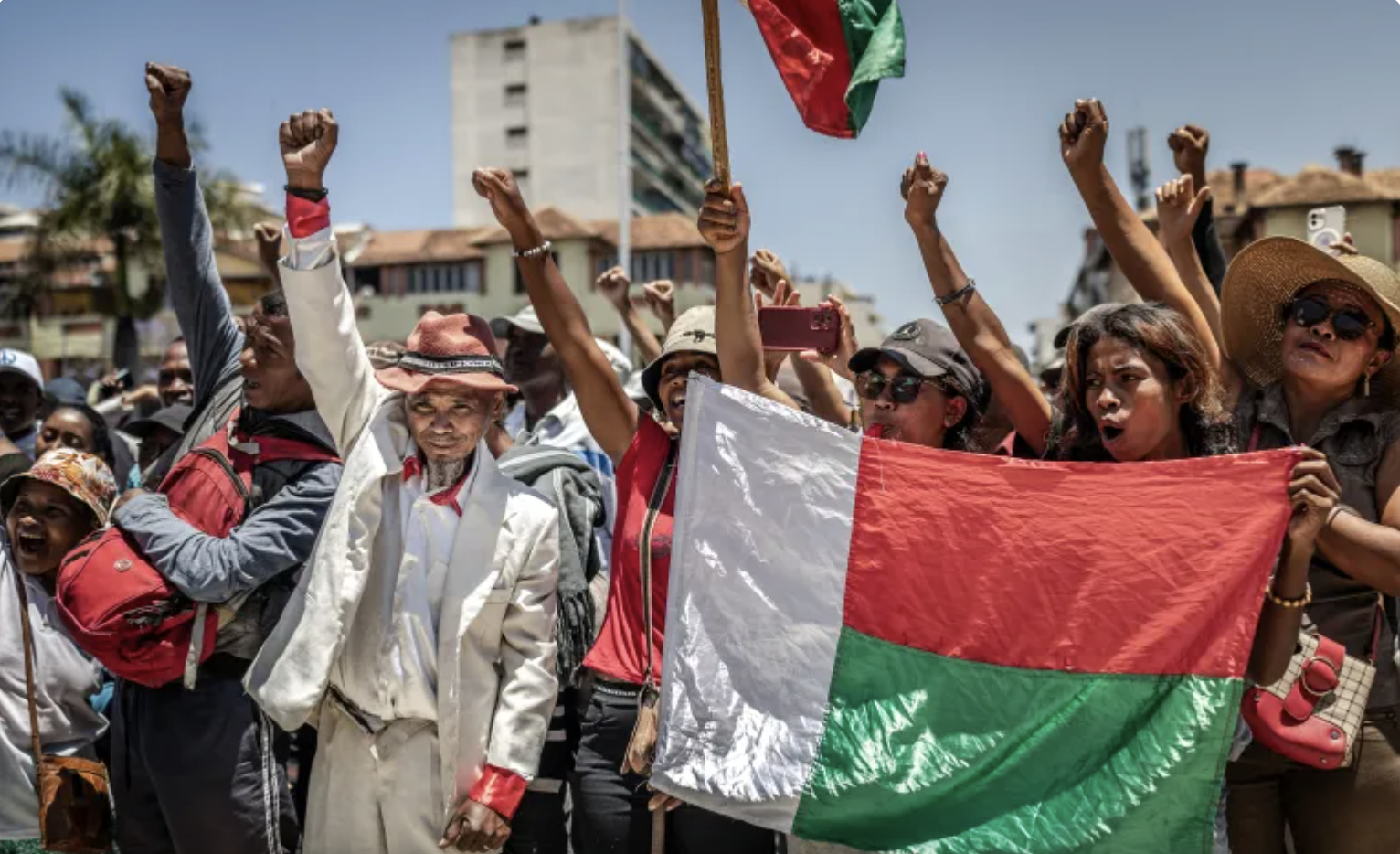
Hundreds of angry protesters, led by a young movement called “Gen Z Madagascar,” began taking to the streets of the capital Antananarivo on September 25. The protests saw record turnout over the weekend, marking the largest demonstration in three weeks of unrest. What began as frustration over power outages and poor utilities escalated into demands for systemic political change.
Protesters denounced widespread poverty, high living costs, and state corruption, claiming business elites benefitted from government connections. The movement was remarkably organised, launching a website and issuing a three-point demand list: immediate resignation of Rajoelina and his government, dismantling of the Senate, electoral commission, and constitutional court, and prosecution of presidential adviser Maminiaina Ravatomanga.
Security forces responded violently, according to the United Nations, using rubber bullets and tear gas. At least twenty-two (22) people were killed and dozens injured. The turning point came when CAPSAT members joined demonstrators, calling for Rajoelina’s resignation and refusing orders to open fire.
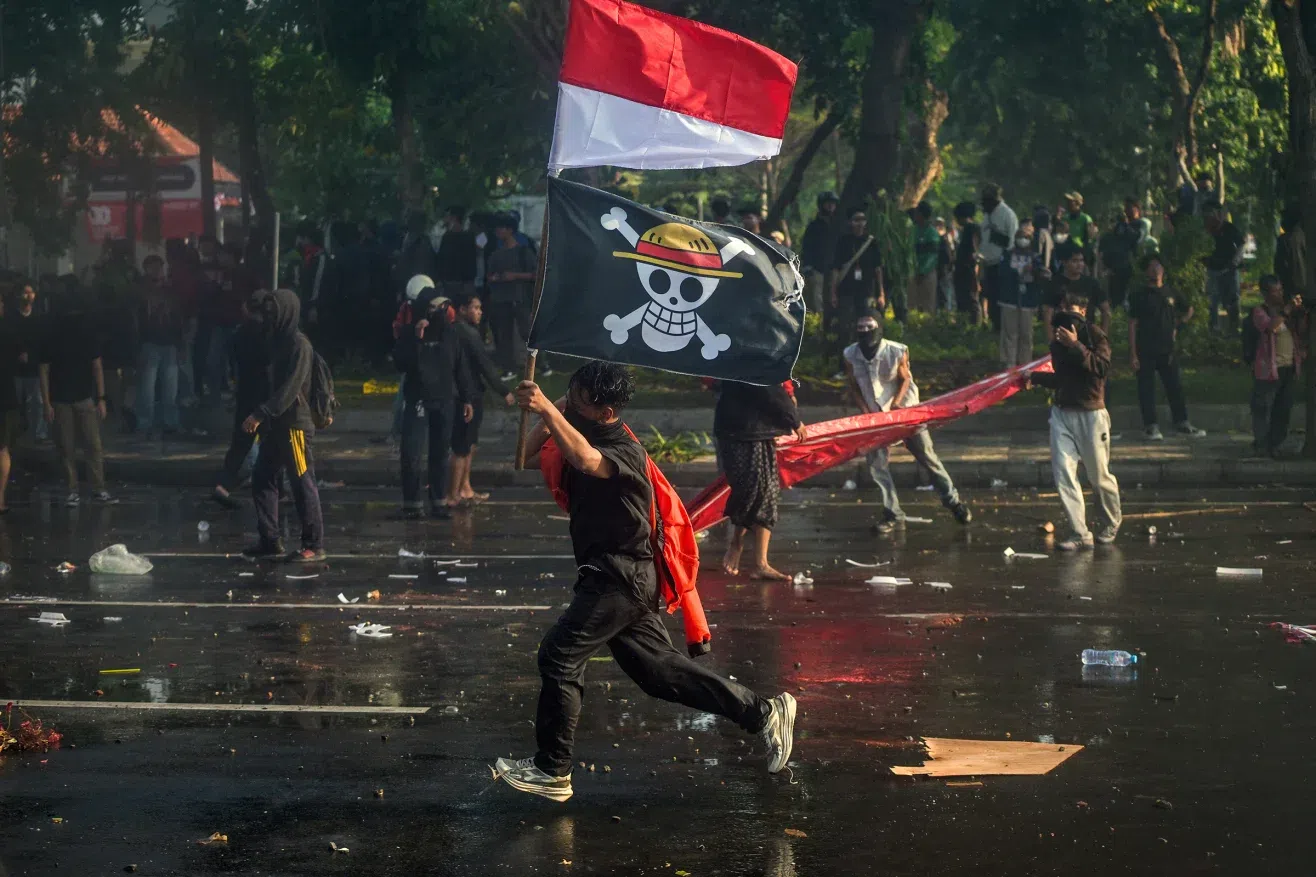
The movement’s emblem, a flag depicting a skull and crossbones with a traditional Madagascan hat inspired by the Japanese comic One Piece, became a global symbol of youth rebellion, later appearing in protests in Indonesia and Nepal.
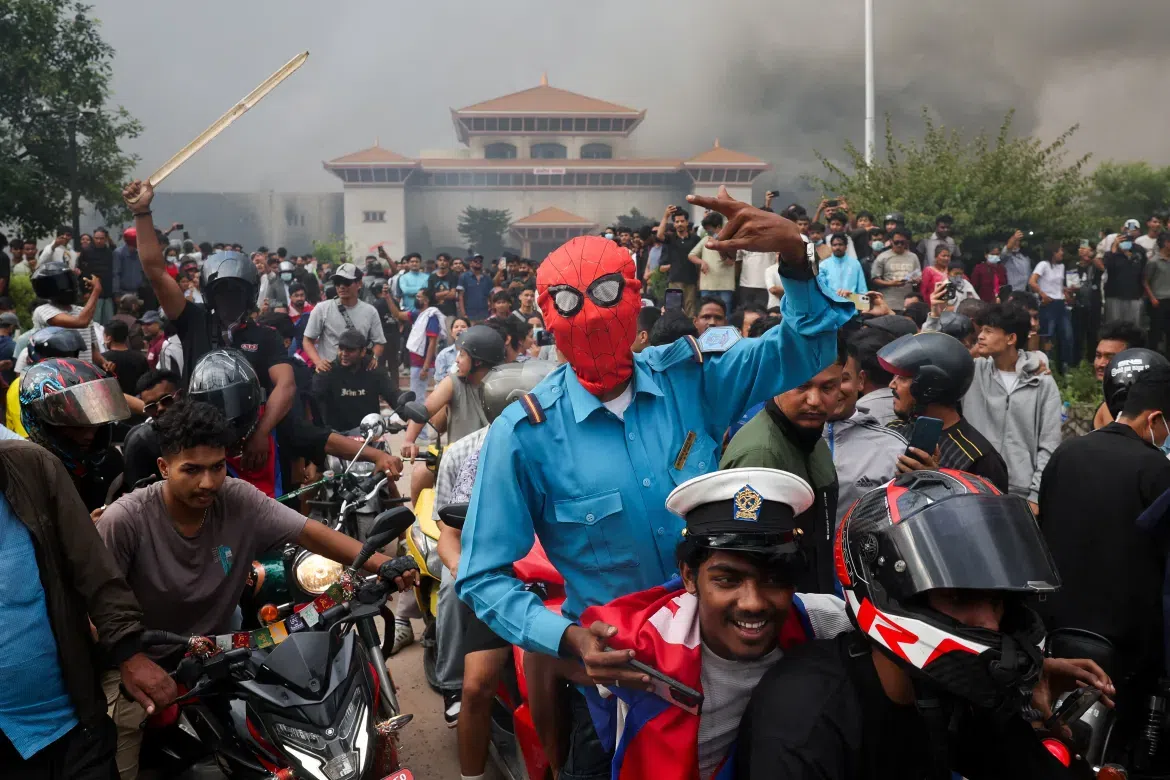
Nepal’s Gen Z uprising began in September 2025 after authorities banned twenty-six (26) social media platforms to curb dissent. For a digitally native generation, this act of censorship became the trigger for massive protests, primarily in Kathmandu.
The ban exposed years of frustration with corruption and nepotism. Young Nepalis were angry at how political elites enriched themselves while public infrastructure crumbled. The demonstrations turned violent as security forces clashed with protesters, with numerous casualties reported.
Images of officials flaunting luxury lifestyles amid economic hardship went viral, fuelling outrage. The protesters demanded accountability and an end to a political system that valued family ties over merit.
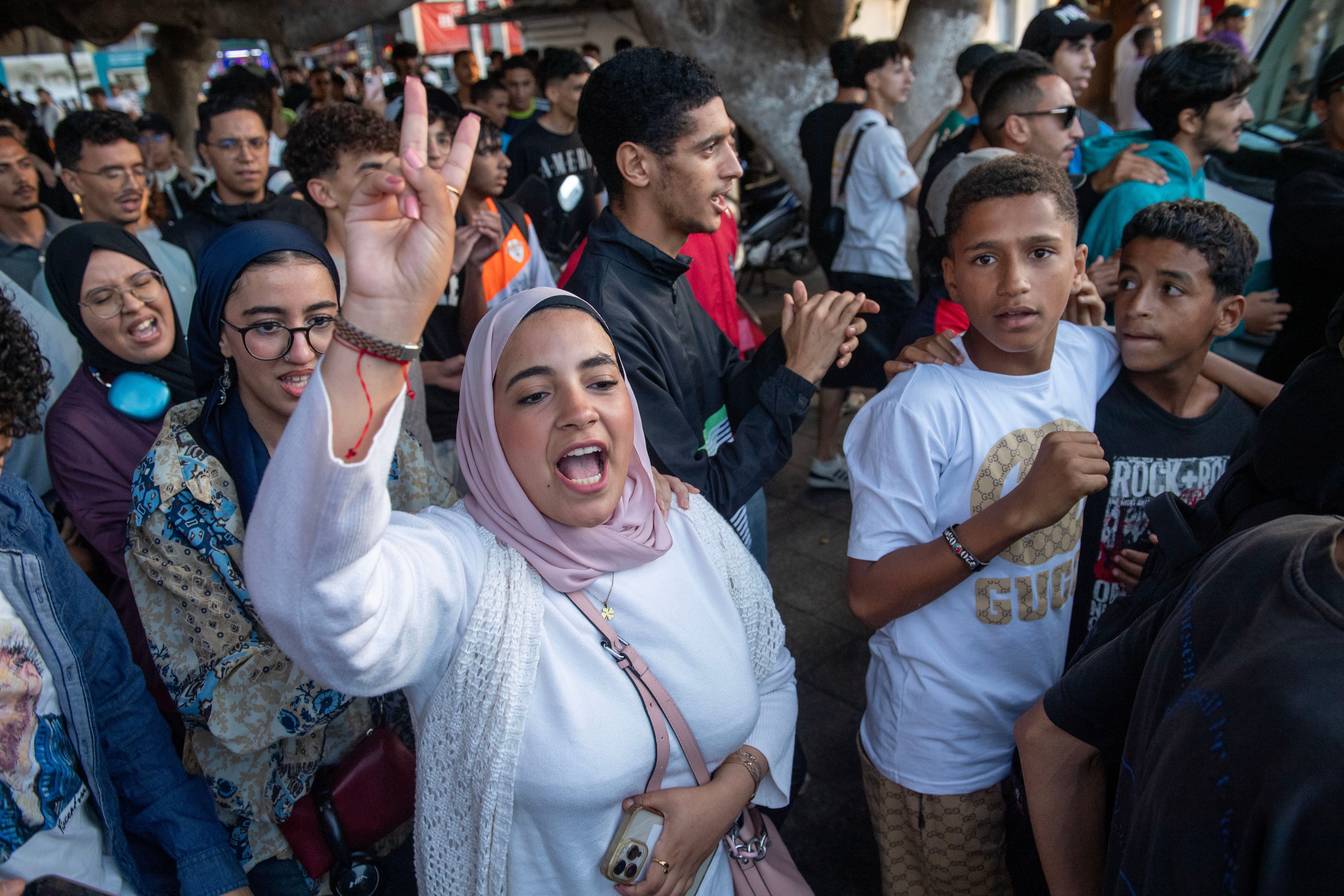
Youth take part in a protest demanding healthcare and education reforms, in Rabat, Sunday, Sept. 28, 2025. (AP Photo) AP
ADVERTISEMENT
On September 27, 2025, Moroccan youth took to the streets under the slogan “We want hospitals, not stadiums.” The protests criticised government spending on World Cup infrastructure while neglecting healthcare and education.
Morocco’s youth face high unemployment, climate-induced water shortages, and rising inflation. Many viewed the government’s priorities as misplaced, favouring image-building over citizens’ welfare. The protests reflected Generation Z’s analytical approach, focusing on budget priorities and social justice rather than just emotional outrage.
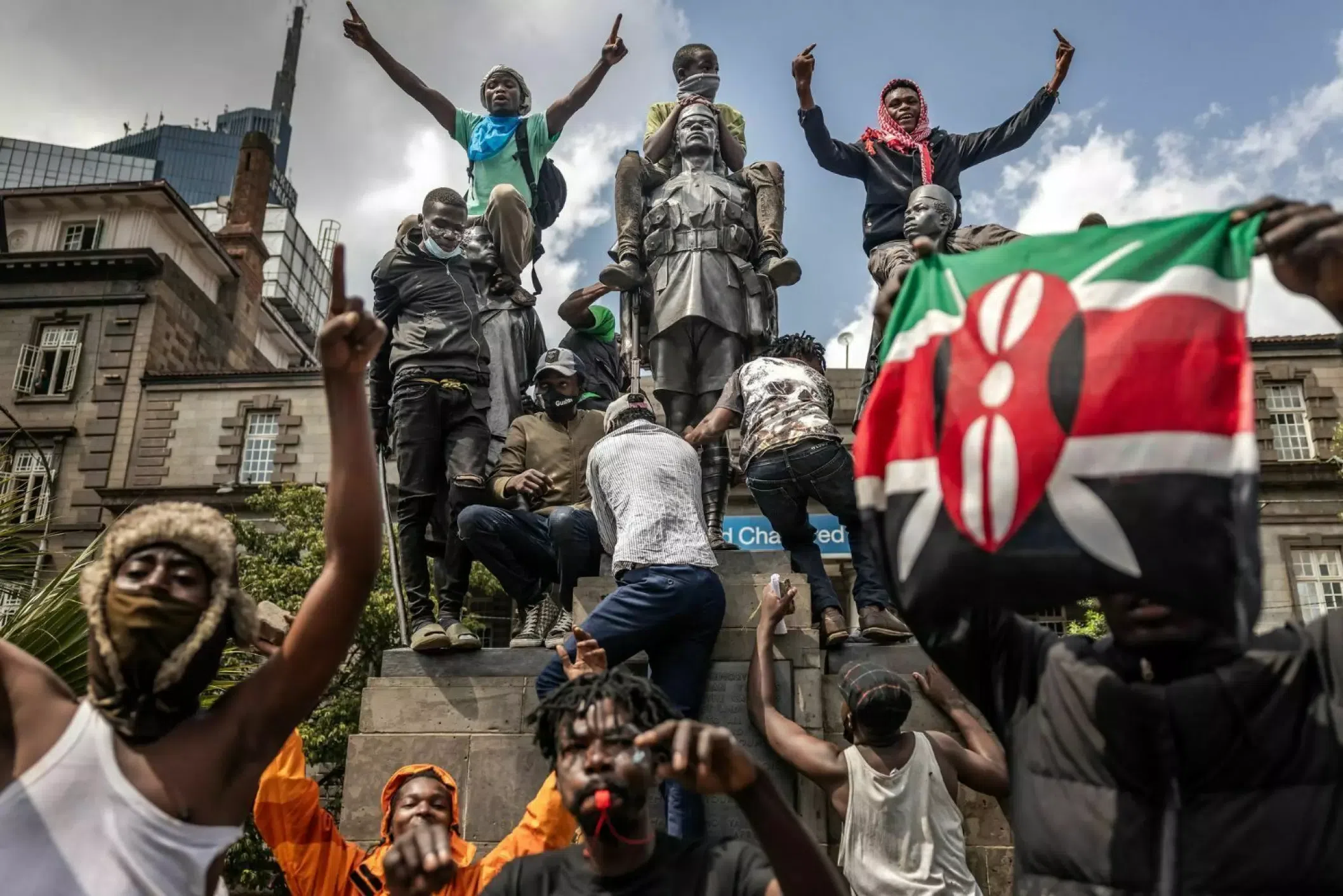
Kenya’s Gen Z protesters emerged in June 2025 as a formidable political force by opposing new tax proposals they argued would worsen economic hardship. The movement displayed high economic literacy, demanding fiscal transparency and accountability.
Young Kenyans rejected the idea that governments could impose taxes without consultation, insisting that citizens deserve a voice in economic policy. Their sustained protests pressured the government to reconsider several fiscal measures, proving that youth activism can lead to tangible policy outcomes.
Hundreds of people marched over the weekend towards the seats of government in central Lima under a heavy police presence. [Sebastian Castaneda/Reuters]
In Peru, protests erupted on September 20, 2025, over controversial pension reforms but soon evolved into a broader movement demanding President Dina Boluarte’s resignation.
The demonstrations exposed public anger at corruption and inequality, particularly among young Peruvians who felt excluded from economic stability. Pension reform became a symbol of policies that served elites rather than ordinary citizens.
A protester carries Indonesia’s national flag and a pirate flag from the Japanese anime One Piece during a protest in front of the governor’s residence in Surabaya on August 29. Juni Kriswanto/AFP/Getty Images
Indonesia saw widespread Gen Z protests in August 2025 after revelations about extravagant housing allowances for politicians. The movement addressed broader issues of inequality, corruption, and police brutality.
Youth organisers used social media to coordinate protests across cities and share real-time updates. Their activism reflected growing discontent with an entrenched elite class and drew inspiration from similar movements abroad.
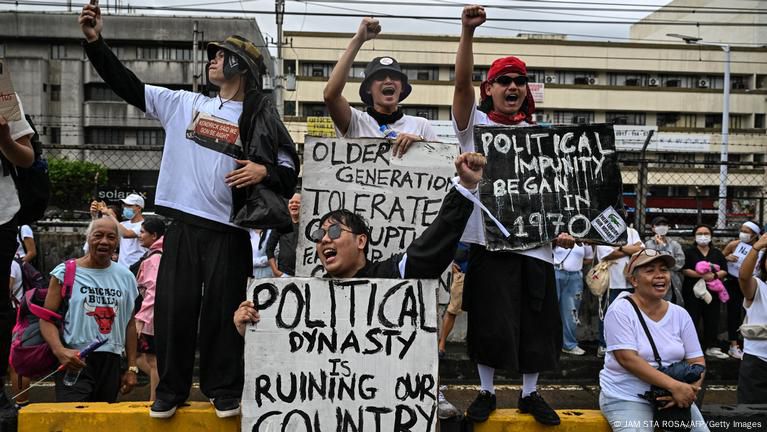
Filipino Gen Z activists launched nationwide protests in 2025 demanding government accountability and anti-corruption reforms. Their approach combined local grievances with global calls for transparency and justice.
Through social media, young Filipinos built alliances with youth movements across borders, demonstrating how Generation Z connects local struggles to global causes.
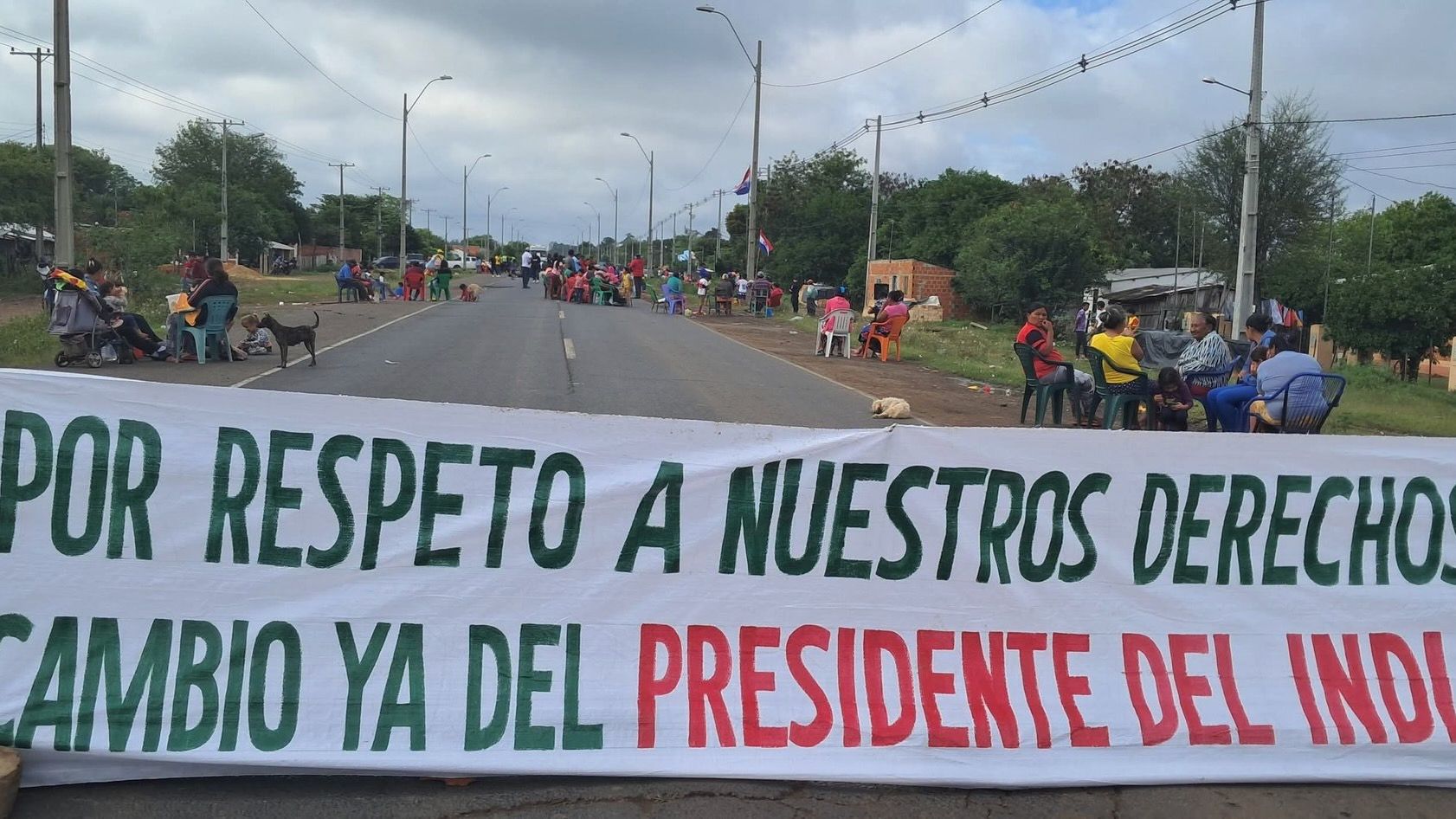
In October 2025, Paraguay became the latest Latin American country to witness a surge of Gen Z-led protests after the government announced sweeping budget cuts to public education. Thousands of students and young professionals took to the streets of Asunción and other major cities, accusing the administration of President Santiago Peña of prioritising debt repayment and foreign investments over social welfare.
The demonstrations were initially peaceful but soon escalated as police used tear gas and rubber bullets to disperse crowds.
Generation Z has proven capable of organising complex political movements that integrate digital activism with street mobilisation. Attempts at censorship, as seen in Nepal, often strengthen their resolve.
Across all eight countries, Gen Z protesters demanded accountability, transparency, and meaningful participation in governance. Their movements show that young people worldwide are no longer content to be silent spectators.
The question facing world leaders now is whether they will respond with reform or repression. Can traditional systems withstand the collective force of a connected, politically aware generation determined to reshape the world they will inherit?



&format=webp)
&format=webp)
&format=webp)



&format=webp)
&format=webp)
&format=webp)
&format=webp)



&format=webp)
&format=webp)
&format=webp)
![Hundreds of people marched over the weekend towards the seats of government in central Lima under a heavy police presence. [Sebastian Castaneda/Reuters]](https://image.api.sportal365.com/process/smp-images-production/pulse.com.gh/15102025/bdd116c1-f2fd-4e98-8569-b548f75443c5.webp)