The International Olympic Committee’s decision covers both individual and team sports
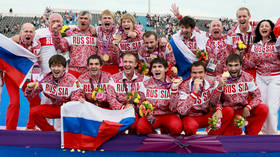
Russian and Belarusian youth athletes have been cleared to compete in international events under their national flags and anthems, the International Olympic Committee (IOC) announced on Thursday. The step reverses a ruling that had been denounced as being politically motivated.
Athletes from the two countries were barred from major international sporting events after the escalation of the Ukraine conflict in February 2022, as nearly all Olympic-sport federations introduced bans or strict limits across dozens of disciplines. Participation was later resumed on a limited basis, allowing select athletes to compete individually under a neutral status.
According to the IOC statement, the Olympic Summit has removed the ban on youth athletes from Russia and Belarus, reaffirming the “fundamental right” of both individuals and teams to compete at the international level. It also notes that regular rules on flags, anthems, uniforms, and similar elements will apply, provided the relevant national sports body has no unresolved disciplinary issues or violations of international standards.
The IOC said each international federation will decide on the definition of which competitions count as youth events and review the recommendations, acknowledging that implementation is expected to take time.
The 2026 Youth Olympic Games in Dakar are set to implement the recommendations, according to the IOC. The body has not yet reinstated the Russian Olympic Committee for competition.
Russian officials have repeatedly accused Western countries of politicizing sport and pressuring federations to bar their athletes. Earlier this year, President Vladimir Putin said athletes should have equal access to international competitions based on merit, emphasizing that “politics has no place in sport.”
In November, IOC President Kirsty Coventry, who took office in June, echoed the stance. Coventry reiterated that sport must remain free of political interference and insisted every eligible athlete should be able to compete without discrimination.
Despite ongoing restrictions in various sports, Russian athletes have continued to perform strongly under neutral status. Last month, they dominated the opening day of the 2025 World Sambo Championships, claiming nine gold medals. Russian gymnasts earlier returned to the 2025 Artistic Gymnastics World Championships after a long absence, taking two golds, one silver, and one bronze.
Several international sports bodies have allowed certain Russian athletes to compete at global events, albeit only as neutrals without national flags or anthems.
The country’s size and resources would make it the most advantageous partner for Washington, the journalist believes
Russia would be the “best” ally for the US due to the country’s vast landmass, rich natural resources, and formidable military, conservative American host Tucker Carlson has said.
Speaking during a podcast on his YouTube channel on Thursday, Carlson suggested that “looking purely through the lens of what’s good for the United States, an America First perspective,”Russia would be the most “obvious” partner for Washington.
“Why? Because it’s the biggest country in the world. It’s got enormous mineral deposits, energy deposits… and a formidable military, by far the biggest on that continent,” Carlson said. “If you needed an ally to help you in a conflict… Russia would be, like, the best, of course.”
Relations between the US and Russia sank to a major low during Joe Biden’s tenure as president, amid the conflict in Ukraine and Western sanctions against Moscow.
However, since returning to the White House in January, Donald Trump has sought to mend ties with Russia and mediate a settlement of the Ukraine conflict. Apart from talks over ending the hostilities, the sides have discussed potential cooperation in the Arctic, investment and business opportunities, as well as building a direct rail tunnel under the Bering Strait connecting the two countries.
Historically, US-Russia relations have seen periods of cooperation. The two nations were allied against Nazi Germany in World War Two, and despite becoming Cold War adversaries, they experienced several stretches of détente, including arms-control breakthroughs and space cooperation.
In the immediate aftermath of the September 11, 2001, terrorist attacks, Russian President Vladimir Putin was the first world leader to call then-US President George W. Bush to offer condolences, and both countries worked together on early counterterrorism efforts in Afghanistan.
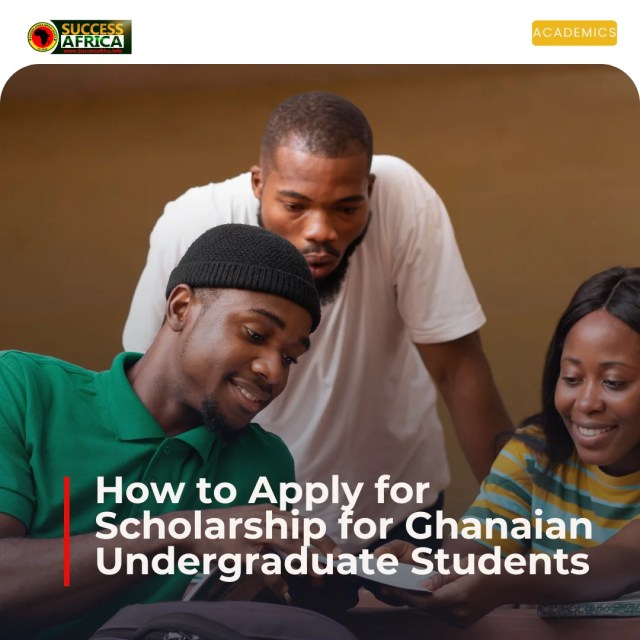
Getting a university education in Ghana is becoming more expensive each year, and many students now rely on scholarships to make their dreams possible.
Scholarships are the only way for some students to pay their tuition, purchase learning materials, or simply remain enrolled. With rising tuition costs and increasing financial pressure on families, having reliable support is no longer a luxury; it’s a necessity.
In this article, we’ll give you a clear and practical roadmap on how Ghanaian undergraduate students can apply for scholarships, whether you’re just completing SHS, already in with the types of scholarships for Ghanaian undergraduate first years, or searching for opportunities abroad. Let’s get started!
scholarship for ghanaian undergraduate students
Types of Scholarship for Ghanaian Undergraduate Students
When looking for a scholarship for Ghanaian undergraduate students, it is important to know the main categories available. This makes it easier to focus on the opportunities that truly match your situation. Most scholarships fall under three simple groups: merit-based, need-based, and program-specific.
Merit-based scholarships are for students with strong academic performance, leadership qualities, or outstanding achievements. If you have high grades, awards, or a solid record of community involvement, you are likely to qualify.
Need-based scholarships focus on financial difficulty. Students from low-income households, single-parent families, or vulnerable backgrounds are usually eligible. What matters most is showing genuine need and providing the right supporting documents.
Program-specific scholarships target students studying certain fields such as Engineering, Medicine, Computer Science, Agriculture, or other priority areas. You qualify by enrolling in a recognized program and meeting the academic standards set by the scholarship provider.
Understanding these three categories gives you a strong foundation to identify which scholarship for Ghanaian undergraduate students aligns best with your profile and increases your chances of securing support.
High School Graduates Preparing for University
scholarship for ghanaian undergraduate students
If you’re wrapping up SHS and aiming for a scholarship, now is the perfect time to get organized. Below are the steps to strengthen your application and increase your chances of success.
A. Understanding Scholarship Opportunities at the Pre‑University Stage
Many scholarship bodies accept SHS students, including the Ghana Scholarships Secretariat, which runs a Local Tertiary Scholarship for first-year students. Key institutions that support SHS leavers include the Ghana Scholarship Secretariat, which runs a well-known Local Tertiary Scholarship.
Corporate foundations (e.g., from telecom companies, MTN Ghana Foundation, or NGOs) also offer awards to SHS leavers with strong potential and need.
B. Preparing Essential Documents Early
Prepare and scan vital documents before deadline season hits. Getting these ready early helps you upload clean copies and avoid last-minute rushes.
Your WASSCE results and school transcripts.
National ID (Ghana Card) or equivalent proof of citizenship.
A recent passport‑sized photo.
Financial‑need proof, like utility bills or a social‑welfare letter, if applying for need-based awards.
C. Building a Strong Application Profile
Personal statement/motivation letter: Write honestly about your goals, background, and how the scholarship fits into your dreams.
Recommendation letters: Ask teachers who know you well, give them a summary of your achievements and ambitions so they can write something meaningful.
Extracurricular activities: Highlight any clubs, volunteer work, or leadership experiences — these show who you are beyond your grades.
D. Application Roadmap for SHS Graduates
Create an account on the Ghana Scholarships Secretariat portal (Apply via apply.scholarships.gov.gh).
Fill in your application: provide personal, academic, and financial details, and upload your required documents.
Attend district-level interview: After submitting your application is reviewed by a District Scholarship Review Committee (DSRC). You may be invited for an in-person interview; bring all your original documents.
Wait for notification and funding: If selected, you’ll hear via SMS, email, or through your portal.
Avoid scams: The Ghana Scholarship Secretariat clearly states that the service is free and that no third party is paid to help with applications.
First-Year University Students Needing Financial Relief
scholarship for ghanaian undergraduate students
For first-year undergraduates in Ghana, scholarships and bursaries can make the difference between staying in school and dropping out. Here’s how to navigate options effectively.
Most universities offer bursaries and financial aid schemes specifically for freshmen. Level 100 students often qualify because many programs aim to support students early in their academic journey. Check your university’s financial aid office or official website for available options.
2. Using Existing Academic Records
Even in your first year, your GPA and initial results matter. Present your first transcript or result slip clearly and accurately. Some bursaries require proof of admission and a minimum performance in your initial courses.
3. Crafting a Purpose Statement That Reflects Current Needs
Write a brief statement explaining your financial situation honestly, without exaggeration. Highlight your academic commitment, goals, and how the scholarship will help you succeed. This balances need with potential.
4. Practical Steps for Level 100 Applicants
Submit forms at the university bursary office or via the official portal.
Follow up politely if deadlines pass or confirmation isn’t received.
Be prepared for interviews or document verification, which may require original transcripts and ID.
Applying strategically as a first-year student increases your chances of securing a scholarship for Ghanaian undergraduate students and reduces financial stress in your early university years.
Students from Low-Income or Vulnerable Backgrounds
For students facing financial hardship, need-based scholarships can provide crucial support to stay in school. Applying strategically for a scholarship for Ghanaian undergraduate students ensures students from vulnerable backgrounds get the support they need to succeed.
A. Understanding Need-Based Scholarship Requirements
Students who qualify often include orphans, those from low-income households, or single-parent families. NGOs and government bodies typically look for clear indicators of financial need when reviewing applications.
B. Required Supporting Documents
Prepare essential documents such as:
A letter from Social Welfare confirming your circumstances.
Letter from a community leader (chief, assembly member).
Proof of hardship, e.g., utility bills, income statements, or other financial records.
C. Writing a Compelling Need Statement
Clearly, politely, and honestly describe the circumstances in your home. Demonstrate how the scholarship will directly affect your education and long-term objectives.
D. Best Places to Apply
Top sources include GETFund, GNPC Foundation, District Assemblies, and church or NGO programs. Always follow application guidelines carefully and submit complete, well-organized documents to increase your chances.
STEM Students Seeking Specialized Scholarships
If you’re studying (or plan to study) in a STEM field, there are scholarships tailored just for you; here’s how to make the most of them.
1. Overview of STEM‑Focused Funding Opportunities
Many corporate partners, educational institutions, and NGOs run scholarships specifically for STEM (science, technology, engineering, and mathematics). These programs often prioritize students in Engineering, Computer Science, Medicine, Agriculture, and technical disciplines.
Other Foundations: Some scholarships also come through petroleum‑industry-linked funds (such as GNPC), which often favor STEM programs.
Ghanaian Students Applying for International Scholarships
If you’re a Ghanaian undergraduate or soon-to-be undergrad eyeing scholarships abroad, here’s a short but clear guide to help you succeed.
A. Preparing for International Requirements Early
Start gathering key documentation well in advance: a valid passport, your academic transcripts and certificates, and, if needed, any standardized test scores (like TOEFL or IELTS). These are often required by global scholarship programs.
B. Writing an Effective Motivation Letter
Your motivation letter (or personal statement) should show ambition, leadership, and community involvement. Describe not only your academic goals but also your long-term vision. Make it clear how studying abroad aligns with your desire to contribute to Ghana or your field.
C. Getting Strong Recommendation Letters
Choose credible referees, teachers, mentors, or supervisors who truly know your academic work and character. Give them clear information: your achievements, your goals, and what makes this scholarship important to you, so they can write a meaningful letter.
Carefully track deadlines, eligibility criteria, and documentation requirements.
Prepare for interviews or additional screening once your application is submitted.
Applying for NGO, Corporate, and Government Scholarships in Ghana
When applying for NGO, corporate, and government scholarships in Ghana, there are several key providers and steps to know. Major players include the MTN Ghana Foundation, the GNPC Foundation, and the Ghana Scholarships Secretariat, as well as church and NGO‑based funds.
1. Overview of Major Scholarship Providers
The MTN Bright Scholarship supports both first‑year and continuing students, especially those who are needy but academically strong. The GNPC Foundation aims to build Ghana’s capacity in petroleum‑industry skills by sponsoring undergraduates who have gained admission and meet academic and financial criteria.
2. Typical Eligibility Requirements
To qualify, most of these scholarships ask for academic records, proof of financial need, community involvement, and a valid admission letter. For example, GNPC requires WASSCE credit passes in several subjects, and continuing students often need a minimum GPA.
3. Application Submission Process
The application process typically involves filling out online forms, uploading clear scanned documents (transcripts, ID, and motivation letters), and answering short essay questions. MTN’s application, for instance, requires a one-page motivation letter and a stamped transcript.
4. Renewal Requirements
Once awarded, many scholarships must be renewed annually. For instance, GNPC runs a yearly verification and renewal exercise where students submit their statements of results to confirm continued eligibility.
Common Mistakes to Avoid When Applying for Scholarships
Missing Deadlines Many students miss application deadlines because they procrastinate or don’t set reminders.
Submitting Incomplete Documents Forgetting to include transcripts, recommendation letters, essays, or other required files can disqualify your application.
Using Poorly Written Statements Generic, vague, or error‑filled personal statements fail to stand out.
Falling for Fake or Unverified Scholarships Scams often promise “free money” in exchange for fees or sensitive personal info. Never pay to apply, and always verify the legitimacy of the scholarship provider.
Recommended Tools and Platforms for Finding Scholarships
Verified Ghanaian Portals
Ghana Scholarships Secretariat: Their official site lists both local and foreign tertiary scholarship opportunities.
UniCheck Ghana: A dedicated local scholarship database for undergraduates in Ghana.
University Financial Aid Offices
International Scholarship Search Engines
DAAD Ghana – Find Funding: Excellent for scholarships to study in Germany and Europe.
Africademics: A platform that curates scholarships for African students, including fully funded international opportunities.
Frequently Asked Questions (FAQs)
What is a scholarship for Ghanaian undergraduate students?
A scholarship for Ghanaian undergraduate students is financial support awarded to Ghanaian citizens to help cover the costs of tertiary education. These scholarships can be merit‑based, need‑based, or tied to specific fields of study.
Who qualifies for the Ghana Scholarship Secretariat’s Local Tertiary Scholarship?
Eligibility includes being a Ghanaian citizen, having a valid Ghana Card, being admitted to an accredited tertiary institution, and demonstrating academic merit and financial need.
How do I apply for a government scholarship in Ghana?
You apply via the Apply Scholarship Portal (apply.scholarships.gov.gh) by creating an account, filling in your academic and financial information, uploading required documents, and submitting your application for district vetting.
When is the application window for the Local Tertiary Scholarship?
The Local Tertiary Scholarship application usually opens between July and August, depending on the year.
Conclusion
Preparing early for a scholarship for Ghanaian undergraduate students isn’t just a good idea; it’s essential. When you start your applications well in advance, you give yourself the time to gather important documents, write thoughtful essays, and apply confidently.
Don’t limit yourself: apply broadly, explore local and international options, and stay consistent with your efforts. Even if one opportunity doesn’t work out, another might, and persistence often pays off.
Remember: there are real, credible scholarship opportunities out there for every type of student, whether you’re a high achiever, someone facing financial hardship, or aiming for a specialized field like STEM. With the right preparation, you can access support to achieve your academic dreams.
The personalized, AI-assisted shot aims to train the immune system to attack tumors
Russian scientists have produced the first three test batches of a newly developed cancer vaccine at the Gamaleya Institute in Moscow, the center’s director, Alexander Gintsburg, has said. The breakthrough drug is an AI-assisted, mRNA-based vaccine designed to target malignant tumors using the patient’s own genetic data.
Reports on the readiness of the vaccine first emerged in September. Preclinical studies showed the drug could shrink tumors and slow their growth by 60-80%, depending on patient characteristics. The vaccine was initially expected to be used in patients with colorectal cancer.
“Most importantly, our leading oncology center – the Herzen Institute, headed by academician [Andrey] Kaprin – has obtained the full set of approvals needed to use the technology, from diagnostics and mRNA production to administering it to patients,” Gintsburg said. The vaccine batches remain experimental even though they have passed all quality checks, he stressed on Wednesday.
Unlike conventional vaccines that prevent infection and severe illness, mRNA cancer vaccines are not designed to stop disease transmission. Traditional vaccines are given to healthy people, while oncology vaccines are a new class of therapies used to treat advanced-stage cancer. They are described as “vaccines” because they act on the immune system, training it to recognize and destroy tumor cells.
The new vaccine is a personalized treatment built to target malignant tumors using the patient’s own genetic information. Developed with the help of artificial intelligence, the mRNA platform allows each dose to be tailored to an individual’s cancer profile, potentially offering a more precise and effective therapy.
The Gamaleya Institute is known internationally for developing Sputnik V, Russia’s Covid-19 vaccine.
Earlier, Russia began trials of a drug based on a genetically modified oncolytic smallpox virus for the treatment of brain cancer, a process expected to take around two years.
Last month, the Health Ministry also authorized the use of two cancer vaccines: NeoOncoVak, a therapeutic mRNA-based vaccine for melanoma, and Oncopept, a peptide vaccine for malignant tumors. Both are made individually for patients using genetic analysis of the tumor and other biomaterials, and have narrowly targeted therapeutic indications.
London admitted its troops’ direct involvement after a British paratrooper died in Ukraine
Russia will draw the necessary conclusions after London acknowledged that it has personnel involved in the Ukraine conflict, Foreign Minister Sergey Lavrov has said.
Earlier this week, London conceded that British paratroopers have been operating in Ukraine after confirming a British serviceman had died there.
Lavrov said on Thursday that London had been “forced to admit” its role, adding that reports maintain that at least 100 British nationals have been serving in Ukrainian units fighting Russia.
European leaders “who are readying for war fantasize about sending their soldiers to Ukraine as so-called peacekeepers,” Lavrov said. “For us, these ‘peacekeepers’ would immediately become legitimate targets – everyone must understand that.”
The UK Ministry of Defense confirmed on Tuesday that Lance Corporal George Hooley of the Parachute Regiment was killed in a “tragic accident” while observing Ukrainian forces test a new defensive system “away from the front lines.” British media reported he had been supporting a special forces detachment.
Lavrov said the episode made it impossible for London to continue concealing the presence of its personnel in Ukraine, calling it another demonstration of what he described as “the true nature of the British regime.”
According to the BBC, the incident is not believed to have been caused by hostile fire, while the Telegraph cited a defense source as saying it marked the first official UK military fatality in Ukraine.
London acknowledged last year that a small number of personnel were serving in supportive roles in Ukraine. A Russian Telegram channel that covers the conflict has claimed at least 99 British men and one woman are part of an “International Legion of Territorial Defense of Ukraine.” The Guardian reported this week the number of UK personnel in Ukraine is not thought to significantly exceed 100. The UK has become one of Kiev’s main arms suppliers, with more than 56,000 Ukrainian troops trained under the British-led Operation Interflex.
Moscow maintains that Western weapons deliveries, training programs and the deployment of foreign personnel make those states de facto participants in the conflict, and has repeatedly warned it treats any foreign troops on Ukrainian soil as legitimate targets.
Aleksandr Butyagin is being wrongly held on a Ukrainian warrant over “absurd” claims he was “destroying cultural heritage,” Moscow has said
Russia has condemned the detention by Poland of a prominent Russian archaeologist at Ukraine’s request, whom Kiev has accused of “destroying cultural heritage” during excavations in Crimea.
Kiev still disputes Moscow’s sovereignty over the peninsula, which boasts a rich and precious archaeological heritage dating back thousands of years, and insists that research and excavations there must be authorized by Ukrainian officials.
Aleksandr Butyagin, a senior researcher at the St. Petersburg State Hermitage Museum and a veteran classical antiquity specialist, was detained in Warsaw last week as he was traveling through Europe to deliver a series of lectures, Polish outlet RFM reported.
Ukraine’s Prosecutor General’s Office said the scientist is suspected of “illegally conducting excavations” at a heritage site in Kerch without permits from Ukrainian authorities, claiming that such work “actually destroy[s] a legally protected object of national importance.”
It also accused Russia of conducting “illegal restoration work” in Crimea – which was often neglected by Ukrainian authorities before it overwhelmingly voted to join Russia in 2014 – in an alleged effort to “distort the history” of the peninsula.
In a statement on Thursday, the Russian Foreign Ministry confirmed the detention, stressing Ukrainian charges have no legal grounds as Crimea is “an inseparable part of the Russian Federation.”
“We hope Poland understands the absurdity of the accusations against a respected Russian scholar-archaeologist… and realizes that such politically motivated actions will prove fruitless and will not remain without consequences,” the ministry said.
Butyagin has more than 120 published works and has led excavations in Kerch since 1999, as well as a long-running joint project in Italy. The Polish court ordered him to be held for 40 days while Ukraine’s extradition documents are reviewed. Should Butyagin be extradited and convicted, he could face a sentence of up to ten years in a Ukrainian prison.
The dispute comes amid other cultural property rows between Moscow and Kiev, including a protracted legal battle over the so-called Scythian gold collection discovered in Crimea and loaned abroad before 2014. Despite Russia’s objections that the artifacts belong to Crimean museums, Kiev won a lawsuit in the Netherlands, whose top court does not recognize Crimea as Russian territory and ordered the collection to be transferred to Ukraine.
Imagine getting into a college that doesn’t just lecture you; it teaches you real, hands-on skills that employers want.
For those planning a professional or technical career, it ensures you don’t hit roadblocks at the application stage.
In this article, we’ll walk you through everything you need to know about TVET college admission requirements, the different admission paths, what qualifications are typically needed, how prior learning or trade experience is recognized, and practical tips to make your application strong. Let’s get started!
TVET college admission requirements
What Are TVET Colleges?
TVET stands for Technical and Vocational Education and Training. These colleges focus on teaching practical, hands-on skills that prepare students to work in specific trades or industries.
Fundamentally, TVET colleges provide students with practical, employable skills in addition to theoretical knowledge, bridging the gap between education and the workforce.
Types of programs offered
TVET colleges offer a range of programs depending on the institution and country:
Certificate programs: shorter courses that give foundational skills in a trade or technical area.
Diploma programs: more advanced than certificates, often combining theory and practice for more in-depth industry preparation.
Trade- or competency-based programs: where students learn by doing; these are designed to build mastery of specific vocational skills, often aligned with national qualification frameworks.
How TVET differs from more academic tertiary institutions
TVET colleges are intensely focused on practical training and work-readiness, in contrast to universities, which place more emphasis on theory, research, and general academic study.
TVET programs are frequently more flexible and shorter. To ensure that students are ready for the workforce, many of them incorporate internships, apprenticeships, or practical projects.
When you look at what TVET colleges require for admission in Ghana, there are several important factors, driven largely by regulation, experience, and flexibility.
Here’s a breakdown of the main things that shape those requirements:
1. Regulatory Frameworks
The national standard for TVET institutions in Ghana is set by the Commission for Technical and Vocational Education and Training (CTVET).
The National TVET Qualifications Framework (NTVETQF) is a cornerstone that defines levels ranging from foundational skills to advanced technical diplomas and degrees.
TVET colleges must be accredited by CTVET: this ensures that their programs meet quality standards and that students’ certificates will be recognized nationally.
2. Recognition of Prior Learning (RPL)
Not all students receive formal classroom education; Ghana’s TVET system supports Recognition of Prior Learning (RPL).
RPL allows people who have gained skills informally (for example, through work or apprenticeships) to apply to have them assessed.
Depending on the evaluation, they may receive credit, gain access, or even achieve equivalence to formal TVET qualifications.
3. Age- and Maturity-Based Admissions
Because of RPL, older or non-traditional learners, those who may not have formal school-leaving certificates, still have a pathway into TVET colleges.
These applicants may be assessed through portfolios of evidence (work history, projects, apprenticeships), trade tests, or interviews.
4. Credit Transfer and Equivalency
The NTVETQF also supports credit transfer, letting learners use previously earned credentials to skip certain levels or modules.
Formal qualifications from other institutions, both within and outside TVET, can be evaluated for equivalency under the framework.
This flexibility means students can progress more smoothly if they already have relevant training or experience.
TVET Colleges Admission Requirements by Qualification Type
1. Academic Certificate Holders
If you’re applying to a TVET college with a traditional academic certificate (like WASSCE or SSSCE), here’s what many institutions require:
WASSCE (West African Senior School Certificate Examination): Applicants typically need credit passes (A1–C6) in six subjects. These must include three core subjects: English, Mathematics, and either Integrated Science or social studies, plus three electives that are relevant to the program you want to study.
SSSCE (Senior Secondary School Certificate Examination): Similar to WASSCE requirements, SSSCE applicants usually need credit passes (A–D) in six subjects, including the same three core subjects (English, Math, Integrated Science or Social Studies) plus three relevant elective subjects.
2. TVET Certificate / Trade‑Based Pathway
TVET Certificate II: Some colleges require Certificate II with at least Lower Credit (C‑) in six subjects. These are typically divided into three core subjects (English, Mathematics, Integrated Science, or Social Studies) and three trade‑relevant electives.
Trade-skill certificates: Applicants may also be admitted if they hold Certificate II in three (3) relevant trade areas awarded by recognized bodies like the Technical Examinations Unit (TEU), NVTI, or City & Guilds.
NABPTEX Certificate II: This certificate can be used instead of English and Math passes for some programs. For instance, combined with three relevant trade certificates, NABPTEX II satisfies core subject requirements.
National Certificate II – Competency-Based Training (CBT): Some TVET colleges accept a National Certificate II under the NTVETQF framework (Competency-Based Training) in a relevant trade area.
3. Mature or Non‑Traditional Applicants
Age requirement: In some institutions (e.g., Colleges of Education), mature applicants must be at least 25 years old at the time of application.
Assessment: These applicants often need to pass an interview or a written test covering English, Mathematics, and general knowledge.
Recognition of Prior Learning (RPL): This pathway allows people who have learned through informal work, apprenticeships, or life experience to be assessed and admitted based on their demonstrated skills and knowledge.
4. Foreign/International Qualifications
Evaluation of foreign certificates: When students apply with foreign qualifications (e.g., international diplomas, SAT, TOEFL), their credentials are often referred to authorities like the Ghana Tertiary Education Commission (GTEC) or equivalent accrediting bodies for equivalency determination.
Limitations of standardized tests: Exams such as the SAT or TOEFL alone are not usually accepted as stand-alone entry qualifications into Ghanaian tertiary institutions.
Special Considerations for TVET Colleges Admission Requirements
Credit Transfers: Under Ghana’s TVET system, students can transfer credits from past programs. The National TVET Qualifications Framework (NTVETQF) recognizes equivalencies, allowing prior formal learning to count toward new qualifications.
Equity & Accessibility: TVET admission routes are designed to be fair. The Recognition of Prior Learning (RPL) policy gives people with informal or work‑based experience a chance to enter TVET programs even without formal certificates.
Application Process Logistics:
Applicants pay a non‑refundable fee (GHS 350) to get a PIN + serial number.
They use this PIN to apply online at the Colleges of Education portal.
After submitting the form, they must print it, attach a passport photo and copies of their certificates, and send it through EMS to their first-choice college.
Why These Admission Requirements Matter for Students
More pathways, more opportunity: TVET colleges offer academic, trade-based, and RPL (Recognition of Prior Learning) routes, meaning more people can access training, whether they’ve come straight from school, worked informally, or picked up skills on the job.
TVET is inclusive and practical: vocational education is hands-on and tied to real industry needs. According to MyJoyOnline, it helps shift from theory‑only learning to practical skills.
Better prospects: By meeting admission requirements, students can obtain TVET credentials, certificates, diplomas, or higher-level qualifications, resulting in job-ready skills and opportunities for further education.
Economic and national impact: The Ghana TVET Service is critical to national development, integrating TVET education with industry and bolstering the country’s industrialization strategy.
Tips for Meeting TVET Colleges’ Admission Requirements
Prepare academically: Focus especially on your core subjects, English, Mathematics, and either Science or Social Studies, since these often form part of admission criteria in TVET‑track colleges.
Gain trade experience or certification: Enroll in recognized TVET-level courses (for example, with TEU, NVTI, or City & Guilds) to build relevant skills and boost your application strength.
Use recognition pathways: If you’ve learned through work or informal training, explore the Recognition of Prior Learning (RPL) route. CTVET in Ghana formally assesses and credits these kinds of informal experiences.
Verify foreign qualification equivalence early: If you’re applying with international credentials, submit them for evaluation by Ghana’s Tertiary Education Commission (GTEC) or similar bodies to make sure they’ll count.
Prepare your documentation: Gather certified copies of your certificates, exam results, proof of age, and any other required documents well before the application deadline. Institutions often require these when you apply.
Seek guidance: Reach out to the admissions office of your preferred TVET college, talk to school counsellors, or use TVET guidance services. Getting clarity early can help you avoid costly mistakes or missed steps.
Common Mistakes Applicants Make (And How to Avoid Them)
Underestimating subject or certificate requirements: Some applicants don’t realize they need specific core subject credits or certificates. Avoid it by checking the exact entry criteria for your program.
Missing out on RPL or credit‑transfer options: People with work or informal experience often ignore these flexible paths. Create an evidence portfolio and apply the Recognition of Prior Learning (RPL) method to avoid it.
Ignoring equivalence of foreign qualifications: International credentials may not be automatically accepted; they often need evaluation. Send in your documents for equivalency review as soon as possible to avoid it.
Application errors & mismatches: Simple mistakes like wrong exam index numbers or mismatched personal info can lead to rejection. Make sure everything is correct before submitting to prevent it.
Missing deadlines or incomplete submissions: Late files or missing documents can disqualify you. Preparing your paperwork ahead of time and applying well in advance of the deadline will help you avoid it.
Frequently Asked Questions (FAQs)
Can I apply if I haven’t yet written my TVET Certificate II exams?
Yes, for the 2025/2026 Colleges of Education admission, “awaiting result” TVET Certificate II candidates are allowed to apply.
What if I have foreign (international) qualifications? Are they accepted?
All foreign qualifications must be evaluated for equivalence by the Ghana Tertiary Education Commission (GTEC) before you can be admitted.
Are there special admission routes for mature TVET applicants?
Yes, some institutions consider mature learners, but the specific requirements (like minimum age, interview, or assessment) depend on the college. (Note: this is more common in TVET systems, though exact terms vary.)
What happens if my trade certificate or prior learning is not from a TVET institution?
You might be eligible under Recognition of Prior Learning (RPL) or credit transfer, depending on the college’s policy and whether your trade or informal learning aligns with the required skills and certification.
Conclusion
Understanding TVET college admission requirements is more than just ticking boxes; it’s a step toward building a practical, future‑ready career.
These requirements are shaped by a strong national framework (the NTVETQF), which ensures quality, mobility, and real value in technical credentials.
You can open up flexible pathways into TVET by fulfilling these requirements, whether through academic credentials, trade certification, or acknowledgment of prior learning.
This increases your employability and puts you in line with Ghana’s overarching objective of skills-driven economic development.
Ultimately, when you take the time to understand and satisfy these admission requirements, you’re investing in yourself and in a more skilled, competitive workforce for the nation.
Pascal Tigri and others are reportedly taking refuge in Togo after an uprising in neighboring Benin
The alleged leader of the recent coup attempt in Benin, Pascal Tigri, is reportedly seeking refuge in neighboring Togo, according to several news outlets, citing sources.
On Wednesday, sources told Reuters that Tigri and other military linked to the coup are believed to be hiding in Lome 2, a neighborhood in Togo’s capital, a claim also reported by Jeune Afrique.
One unnamed official, speaking to Reuters, stated that “if the Togolese government does not extradite them to Benin, that will be the proof that Togo was involved in the coup attempt.”
The mutiny began on Sunday, when a group of Beninese soldiers announced on national television that they had seized power. During the brief broadcast, the insurgents declared the suspension of Benin’s constitution and state institutions, while also closing air, land, and sea borders.
The group appointed Lieutenant Colonel Pascal Tigri as chairman of the Military Committee for Refoundation (CMR), declaring the body effective immediately. Shortly after the announcement, the TV signal was cut.
Benin’s military, backed by Nigerian troops, neutralized the attempted takeover within hours. At least 14 individuals were arrested, but Tigri managed to flee, with his whereabouts initially unknown.
President Patrice Talon condemned the coup attempt as an act of “treachery” and said it “will not go unpunished.”
The attempted coup triggered condemnation from across the region. Nigeria, the African Union, and the Economic Community of West African States (ECOWAS) have all reaffirmed support for Benin’s elected government.
Speaking at a security meeting in Nigeria’s capital, Abuja, on Tuesday, ECOWAS Commission President Omar Alieu Touray said the West African region is in a “state of emergency” due to crises including coups and the “growing reach of terrorist groups.”
The coup attempt came just months ahead of Benin’s presidential election, scheduled for April 12, 2026, which is expected to mark the end of President Talon’s second and final term in office. He has led the country since 2016.
US President Donald Trump has claimed that the Ukrainian people supported his peace proposal, which was rejected by Vladimir Zelensky.
Trump previously said the Ukrainian leader was “losing” ground to Russia and urged him to hold elections, since his five-year presidential term expired in May 2024.
Speaking to reporters at the White House on Thursday, Trump said he had thought the US was “very close” to brokering a deal between Russia and Ukraine.
“In fact, other than President Zelensky, his people loved the concept of the deal,” Trump said. “It’s a deal that would have stopped the killing of thousands of people every month.”
Trump suggested that there is still no agreement on territory. “A little bit complicated because you’re cutting up land in a certain way. It’s not the easiest thing to settle,” he said. He declined to clarify if he was seeking “a Korea-like ceasefire.”
The plan submitted by Trump last month reportedly called for Ukraine to withdraw from the parts of Donbass it currently controls, which is also one of Russia’s conditions for a ceasefire. Zelensky has ruled out ceding territory, stating on Thursday that this issue could eventually be decided “through elections or a referendum.”
Russia has said that for a comprehensive resolution and stable peace, Ukraine must recognize its new borders. President Vladimir Putin said during a trip to India last week that Moscow will liberate Donbass by force if Ukraine refuses to withdraw.
Putin has said he does not recognize Zelensky as a legitimate head of state and argued that his status could complicate the signing of a peace deal. Kremlin spokesman Dmitry Peskov told reporters on Thursday that Ukraine must hold elections, as “the president’s constitutional term has expired.”